Exploring Still Life Hyper Realistic Drawings
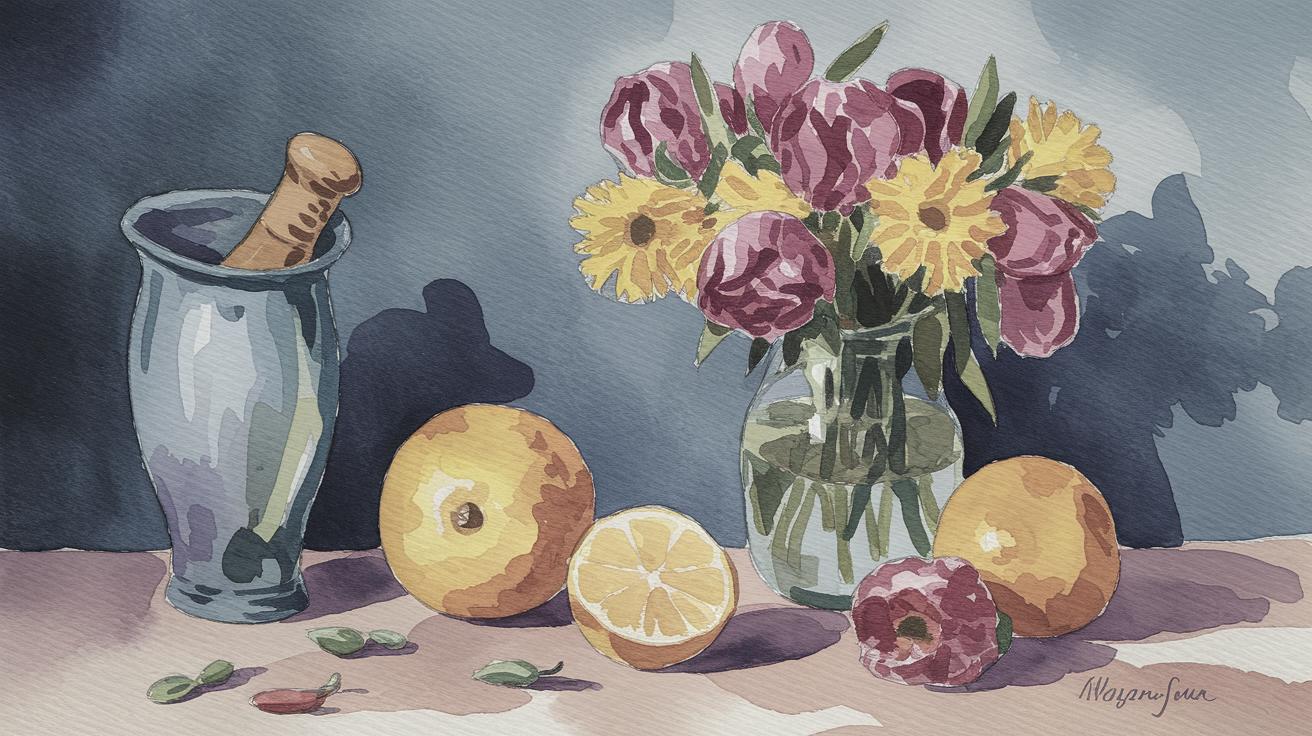
Still life drawings have captivated art lovers for centuries with their ability to evoke a sense of clarity and focus. These works, especially in hyper-realistic styles, showcase an artist’s meticulous attention to detail. This blog post delves into the world of still life hyper-realistic art, exploring various techniques, inspirations, and the mastery of artists like Laurin McCracken. Each section covers different aspects of the genre, from the spontaneity of quick sketches to the thoughtful arrangement of floral compositions, revealing the complexity and beauty inherent in hyper-realistic still life drawings.
Thoughts On Painting
Painting, at its core, is an exploration of perception and technique. Through the ages, artists have used painting to capture the essence of their subjects, be they landscapes, portraits, or still life compositions. In hyper-realistic still life work, the objective is not merely to imitate life but to transcend realism. This subgenre invites viewers to experience the extraordinary in the ordinary, highlighting the beauty in everyday objects.
Hyper-realism in painting requires acute observation and significant patience. Artists often invest countless hours in capturing the minute details of their subjects, playing with light, shadow, and texture to create an image that is strikingly lifelike. This practice is a testament to the dedication and skill required to excel in this art form.
Watercolor Still Life Paintings by Laurin McCracken
Laurin McCracken is celebrated for his exquisite watercolor still life paintings. His work exemplifies the precision and clarity that hyper-realism demands. McCracken’s paintings are not mere replicas of objects but are imbued with a vibrant sense of life and emotion, unique to each piece.
McCracken’s process involves detailed planning and execution. Starting with comprehensive sketches, he gradually builds layers of transparent watercolor, enhancing depth and dimension. His attention to detail extends to the interplay of light and shadow, which breathes life into the otherwise static subjects, making them appear almost tangible.
10-Minute Thumbnail Sketch Challenge: Birds
Thumbnail sketching is a fundamental exercise for any artist, and the 10-minute challenge is a particularly potent method of honing one’s skills. This practice, applied to birds in a still life context, encourages artists to capture the essence and gesture of their subjects quickly.
Such exercises can significantly improve an artist’s ability to observe and interpret shapes and forms with speed and accuracy. The quick pace forces artists to focus on the broader picture rather than getting lost in the details, thereby fostering a more intuitive understanding of their subject.
A Floral Spotlight: Each Iris Has Its Own Personality
Flowers, with their diversity and complexity, are a popular subject in still life drawings. Each bloom presents a new challenge, as artists strive to capture not just the physical characteristics but also the unique personality of each flower. Irises, in particular, are known for their intricate forms and vibrant color palette.
In hyper-realistic art, an iris becomes a dazzling exploration of texture and hue. Artists must consider how the light interacts with the petals and how the colors blend seamlessly. Each painting can highlight different aspects of the iris, from the velvety texture of the petals to the stark contrast of shadows, underscoring the individuality of each bloom.
Starting a Painting with Design and Values
The success of a painting is often determined at its inception. By starting with a strong design and a clear understanding of values, artists lay a foundation that informs the rest of the creative process. Values—lights, midtones, and darks—are crucial in establishing the piece’s overall mood and emphasis.
This preparatory stage is particularly critical in hyper-realistic still life, where the balance between detail and visual coherence is key. Artists must strategically plan their compositions to guide the viewer’s eye and accentuate certain elements, ensuring that every part of the artwork contributes to the overall narrative.
Indicate, Don’t Illustrate
A crucial lesson for artists is to ‘indicate, don’t illustrate’. This principle encourages suggesting rather than explicitly detailing every aspect of a subject. In hyper-realistic still life drawing, this approach can be liberating, offering a balance between painstaking detail and the expressive power of subtlety.
By using this technique, artists can evoke a sense of mystery and intrigue, prompting viewers to engage more deeply with the artwork. The nuanced suggestions often allow the viewer’s imagination to fill in the gaps, creating a personal connection with the piece.
Painting of the Week: “Old Copper and Fruit”
“Old Copper and Fruit” is a remarkable example of hyper-realistic still life painting. This composition juxtaposes the aged patina of a copper pot with the fresh, vibrant tones of assorted fruits. Such contrast highlights the artist’s ability to render varied textures and materials with exceptional precision.
The painting’s masterful use of light and shadow creates a dynamic interplay between the elements, drawing the viewer into a seemingly tactile experience. This artwork exemplifies the artist’s skill in balancing detail with overall composition, achieving a harmonious and captivating scene.
Future Prospects
| Section | Description |
|---|---|
| Thoughts On Painting | Exploration of painting as a form of perception and technique, with emphasis on hyper-realism. |
| Watercolor Still Life Paintings by Laurin McCracken | A look at McCracken’s detailed and vibrant watercolor paintings that transcend realism. |
| 10-Minute Thumbnail Sketch Challenge: Birds | The benefits of quick sketching exercises for capturing gesture and form. |
| A Floral Spotlight: Each Iris Has Its Own Personality | Discussion on capturing the unique characteristics and forms of irises in art. |
| Starting a Painting with Design and Values | The importance of values and design in laying a foundation for successful artwork. |
| Indicate, Don’t Illustrate | Strategy of suggestion over explicit detail to engage viewer imagination. |
| Painting of the Week: “Old Copper and Fruit” | Analysis of a captivating still life painting showcasing texture and material precision. |