
Exploring Oil Painting Brushes for Beginners: A Deeper Dive Into Artistic Techniques
For beginners venturing into oil painting, understanding the right brushes to use can be both exciting and overwhelming. In this guide, we’ll explore the four fundamental types of brushes that every novice should be familiar with. Along the way, we’ll share insightful challenges and projects that will spark your creative spirit, like the 10-minute thumbnail sketch challenge featuring birds or flowers, and offer guidance on critical painting principles such as the importance of design and values. We will also emphasize the painter’s technique of indicating, rather than illustrating, to invoke viewer imagination. Finally, we’ll spotlight a painting that exemplifies these skills in practice. Dive in as we take a meticulous look at the world of oil brushes and beyond!
How to Paint: Four Basic Types of Brushes
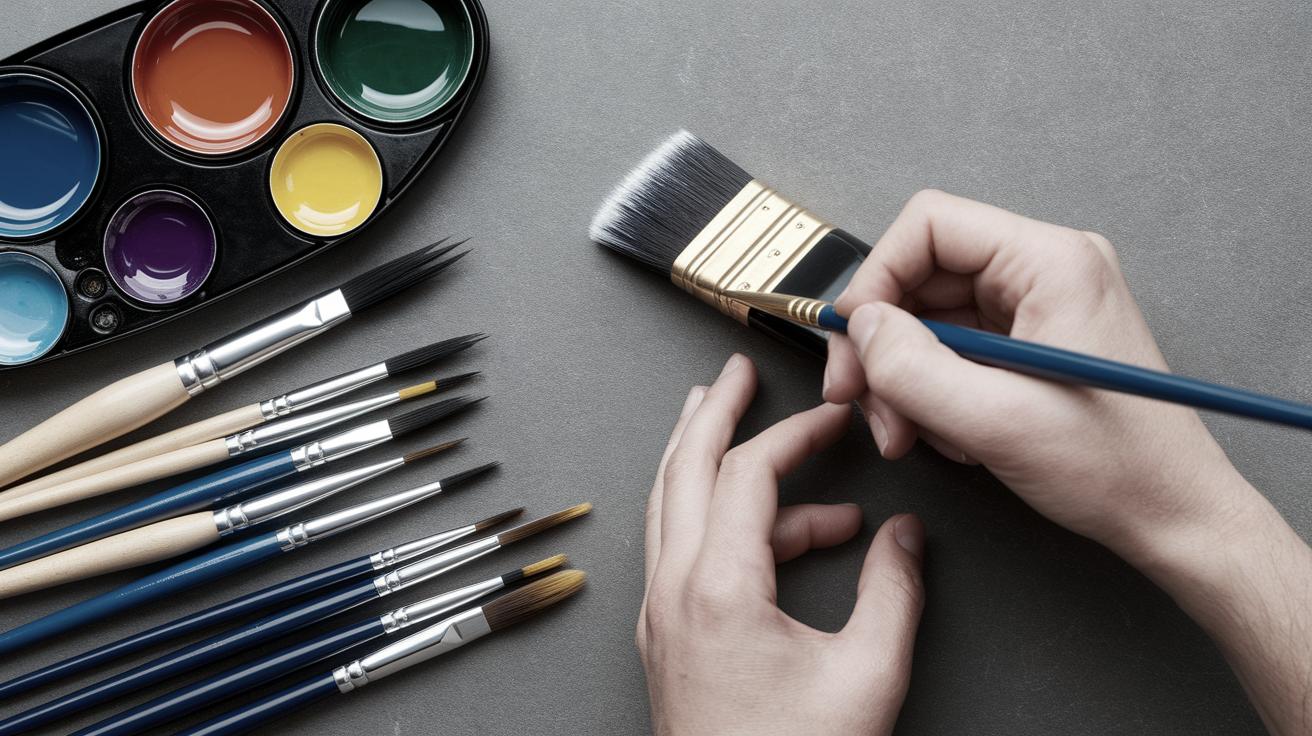
For those new to the world of oil painting, understanding brush types is a crucial step towards effective artistry. Each brush type serves a distinctive purpose, affecting how paint is applied, how textures are created, and how details are captured on canvas. The four main types of brushes to acquaint yourself with include: flat, round, filbert, and fan brushes.
Flat brushes feature long bristles with a rectangular shape, ideal for strong strokes, creating bold lines and blocking large areas with color. Round brushes, characterized by a pointed tip, are versatile, allowing both broad strokes and fine detail work. Filbert brushes blend the best features of flat and round brushes, perfect for soft edges and blending. Lastly, fan brushes, with fanned-out bristles, allow for excellent blending and textural work, useful in painting natural scenes and landscapes.
Experimenting with these brushes will help you understand their distinctive features. As you advance, you’ll likely discover favorites for certain techniques, but mastering each type will provide a solid foundation for expanding your skill set.
10-Minute Thumbnail Sketch Challenge: Birds
For a dynamic practice session, try the 10-minute thumbnail sketch challenge focusing on birds. This exercise sharpens your ability to capture the essence of a subject quickly. Begin by choosing a variety of bird images to reference. With your selected brushes, aim to convey the birds’ key features and unique postures within the limited time frame.
This challenge encourages decisiveness and helps refine your observation skills. You’ll learn to focus on form, light, and shadow rather than getting bogged down in details. Such exercises are invaluable in building confidence with your brushwork and expanding your recognition of what makes each subject unique.
Repetition of this exercise with different subjects over time will vastly improve your ability to distill complex scenes into manageable compositions, laying a strong groundwork for more detailed work in the future.
A Floral Spotlight: Each Iris Has Its Own Personality
Painting flowers, particularly irises, offers another splendid opportunity for beginners to engage creatively with their brushes. Each iris presents distinct textures and forms that test a painter’s ability to convey the subject’s personality. The interplay of delicate petal edges and vibrant coloration is a wonderful challenge for brush handling.
Your selection of brushes will significantly impact your portrayal—consider using a filbert brush to render soft, curving petal edges and a round brush for crisp stamen details. The process of painting irises teaches versatility and sensitivity in brushwork, key skills that will serve you well in all painting ventures.
Moreover, this project encourages experimentation with color mixing, adding depth and dimension to your art. Embrace the intricate beauty of irises and explore how each brush can highlight their individuality.
Starting a Painting with Design and Values
The groundwork of a compelling painting often lies in its initial design and value study. Before putting brush to canvas, consider the composition and how values—lightness and darkness of colors—will guide the viewer’s eye throughout the piece. This consideration is particularly crucial in oil painting, where layers build upon one another.
Planning your design with thumbnail sketches can be highly effective. These quick studies help to visualize the balance and flow of your composition. Using a flat brush can facilitate the development of strong structural forms in your initial design, which can then be refined with softer brushes as you add details.
A sound understanding of values helps in achieving realistic depth and atmosphere. With practice, you’ll see how value adjustments can dramatically alter the tone and impact of your work, solidifying your foundation as an artist.
Indicate, Don’t Illustrate
One of the most enlightening lessons for beginners is learning to suggest rather than meticulously depict every detail. This technique, to indicate rather than illustrate, invites viewers to engage with the artwork more personally, letting their imaginations fill in the blanks. Mastering this style requires sensitivity and restraint in applying brushstrokes.
With oil painting, brushes like flats and fans are perfect for creating broader strokes that imply shapes and shadows. By utilizing these, along with well-considered values, you’ll find you can portray more with less visual information, creating paintings that feel alive and open-ended.
This approach not only strengthens your confidence with brushwork but also embeds a sense of narrative and mood into your art. The viewer completes the image with their imagination, making the painting a more interactive experience.
Painting of the Week: “Old Copper and Fruit”
A beautiful example of these principles in action is the painting “Old Copper and Fruit.” This artwork brilliantly employs brush techniques that delineate a classic still life scene with understated elegance and vitality. The artist’s use of filbert and round brushes delivers a harmonious balance between detailed rendered objects and softly suggested background elements.
The vibrant copper sheen is achieved through smart employment of values and selective brushwork, guiding the eye with careful highlights and shadow play. Similarly, the ripe fruits stand out with texture and volume, informed by the painter’s understanding of both design and the dynamic use of oil brushes.
Observing such pieces not only provides inspiration but also a practical guide on applying various brush techniques to achieve different artistic goals. Through analysis, you gain insights into methodical approaches to composition and execution in oil painting.
Final Thoughts
This exploration of oil painting brushes and techniques provides a glimpse into the vast possibilities awaiting beginners. Through exercises like quick sketch challenges and detailed compositions such as capturing irises, artists start to build a rich toolkit for their creative expression. Understanding how to harness the power of brush types, alongside mastering design and value, ensures a thoughtful and progressive journey into the world of painting.
As you dive deeper, consider studying works like “Old Copper and Fruit,” which embody the synergy of technique and artistry. Along this journey, remember to embrace learning through experience, fostering a personal style that resonates with your unique perspective. Happy painting!
| Topic | Details |
|---|---|
| Types of Brushes | Flat, Round, Filbert, and Fan Brushes |
| Thumbnail Sketch Challenge | Exercises to capture essence quickly, focus on birds. |
| Floral Spotlight | Painting Irises to understand brush versatility and texture |
| Design and Values | Importance in preparing compositions with balance and depth |
| Indicate, Don’t Illustrate | Simplification and inviting viewer engagement through suggestive brushwork |
| Painting of the Week | “Old Copper and Fruit”: Study of effective brush techniques |

