
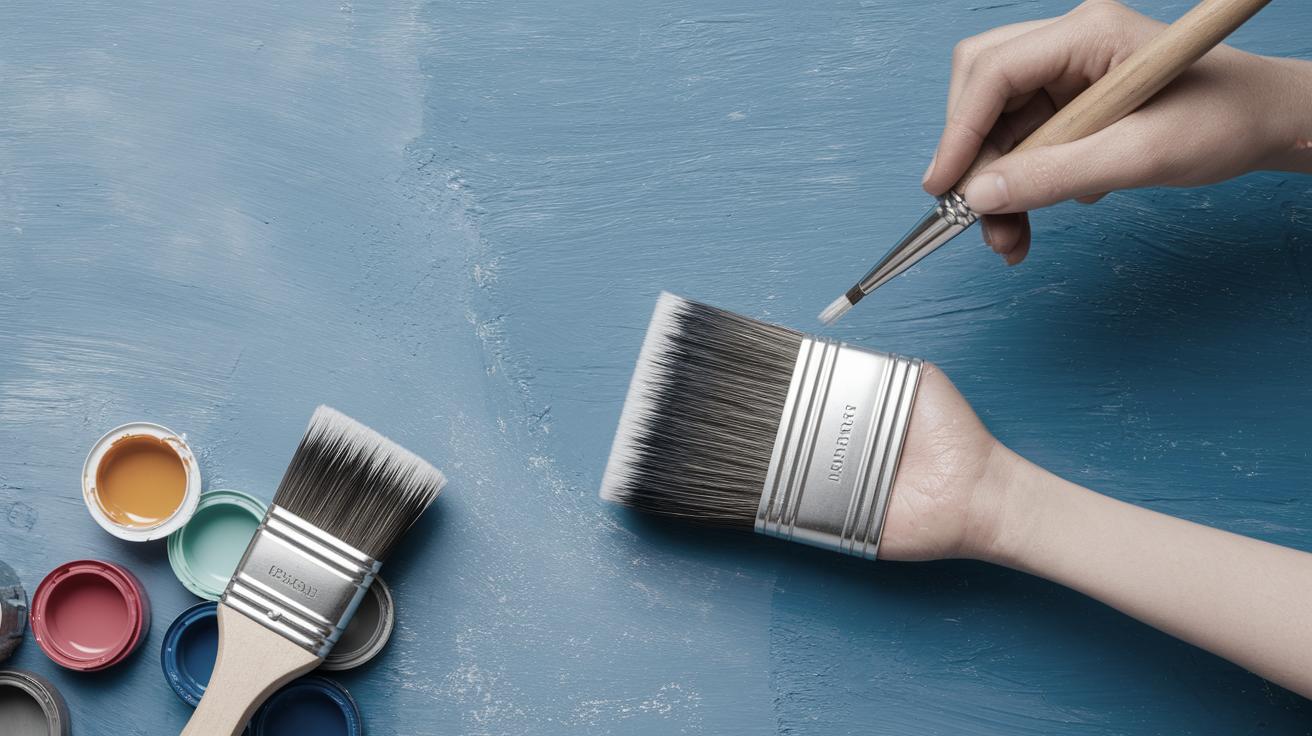
How to Care for Paint Brushes
Taking care of your paint brushes is crucial for maintaining their usability and ensuring the quality of your artwork. Proper maintenance not only extends the life of your brushes but also ensures that they perform at their best. In this article, we will delve into essential techniques for caring for your paint brushes. We will discuss starting points like frequent cleaning and appropriate cleaning methods while also highlighting common pitfalls such as prolonged soaking and improper storage that can deform your brushes. Lastly, we’ll offer actionable insights on retaining the optimal shape of your paint brushes. By integrating these practices into your routine, you can enhance your artistic endeavors and preserve your valuable tools.
The First Steps in Caring for Our Paint Brushes
Understanding the particular needs of different types of paint brushes is the first step in their care. Whether you use synthetic or natural bristles, the foundation of effective maintenance lies in recognizing the unique properties of the materials. Synthetic brushes, for example, are typically used for acrylic and water-based paints due to their ability to withstand frequent and intense use. Natural bristle brushes, on the other hand, work best with oil paints and require specific care to maintain their organic fibers.
It’s also essential to set up a proper cleaning station for your brushes. This includes allocating specific containers for cleaning solutions and having cleaning tools like a brush comb or cleaning pad handy. The initial steps you take in finding and understanding the right equipment will prove invaluable as you proceed to the more detailed care steps. Organizing your station will promote efficiency and make the cleaning process less of a chore.
Clean Your Paint Brushes Frequently
One of the most straightforward yet crucial practices is cleaning your paint brushes frequently. Even if your painting session only involves a few strokes, it’s essential to clean the brushes right after use. When paint dries, it hardens and becomes more difficult to remove, which can damage the bristles and ruin the brush. Frequent cleaning prevents this buildup and allows the brush to stay in good condition.
Frequent cleaning isn’t just about preservation; it also maintains the consistency of your colors. Residual paint can blend into new paint unless the brush is thoroughly cleaned. Artists who prioritize clean brushes find that their color palettes remain vibrant and untarnished, which is vital when creating complex artworks with layers of color.
Clean Your Brushes Appropriately
Appropriately cleaning your brushes means selecting the right cleaning agent for the type of paint and bristles you are using. For water-based paints, warm soapy water is usually sufficient. Oil-based paints require a solvent like turpentine or mineral spirits. Make sure to rinse the brushes thoroughly with warm water afterward to eliminate any remnants of paint and solvent.
Gently massage the bristles with your fingers or a brush comb in the cleaning solution to dislodge paint particles. Avoid rough handling to prevent damaging the bristles. For stubborn paint, soak the brush briefly in the cleaning solution but remember that excessively long soaking can be detrimental to both the handle and the bristles.
Don’t Let Them Soak for too Long
Allowing your brushes to soak for extended periods can be severely damaging. Prolonged exposure to water, solvents, or even cleaning agents can loosen the ferrule – the metal part of the brush that holds the bristles together – leading to shedding and a wobbly handle. This compromises the integrity of the brush and can cause frustration for artists who depend on precision tools.
Instead of soaking, aim to clean your brushes swiftly and efficiently. Immerse them briefly and use tools like a cleaning pad to quickly dislodge paint remnants from the bristles. Once clean, immediately dry your brushes to avoid moisture retention. This careful approach not only protects your brushes but also saves time during your cleanup routine.
Don’t Lose the Brush’s Shape
Maintaining the shape of your brushes is crucial for achieving consistent results in your artwork. After cleaning, gently reshape the bristles with your fingers to ensure they retain their intended form as they dry. For fine-tipped brushes, this is especially important because any distortion can affect the precision of your strokes.
Properly drying and storing your brushes is key to maintaining their shape. Once clean, hang them bristle side down, or lay them flat on a dry towel, ensuring the tips do not become splayed. Avoid leaving them upright in a container, which can cause water to seep into the ferrule and compromise the brush’s construction. With a mindful handling practice, you mitigate the risk of distortion, keeping your brushes in optimal condition for the next session.
Leave a comment
We invite you to share your thoughts and experiences in the comments below. How do you care for your paint brushes, and do you have any unique tips to share with fellow artists? Engaging in this community exchange can lead to new insights and practices that enhance the care and maintenance of our art supplies.
| Lesson | Summary |
|---|---|
| The First Steps | Identify the type of brushes and set up your cleaning station. Understand specific needs for synthetic vs. natural bristles. |
| Frequent Cleaning | Clean brushes after each use to prevent paint from hardening and to preserve color integrity. |
| Appropriate Cleaning | Use the right agent for your paint type and gently clean the bristles to avoid damage. |
| Avoid Prolonged Soaking | Shorten soaking time to prevent damage to the brush’s structure and efficiency in cleaning. |
| Maintain Brush Shape | Reshape after cleaning and store properly to retain original form and effectiveness. |

