The Timeless Appeal of Vanitas Imagery
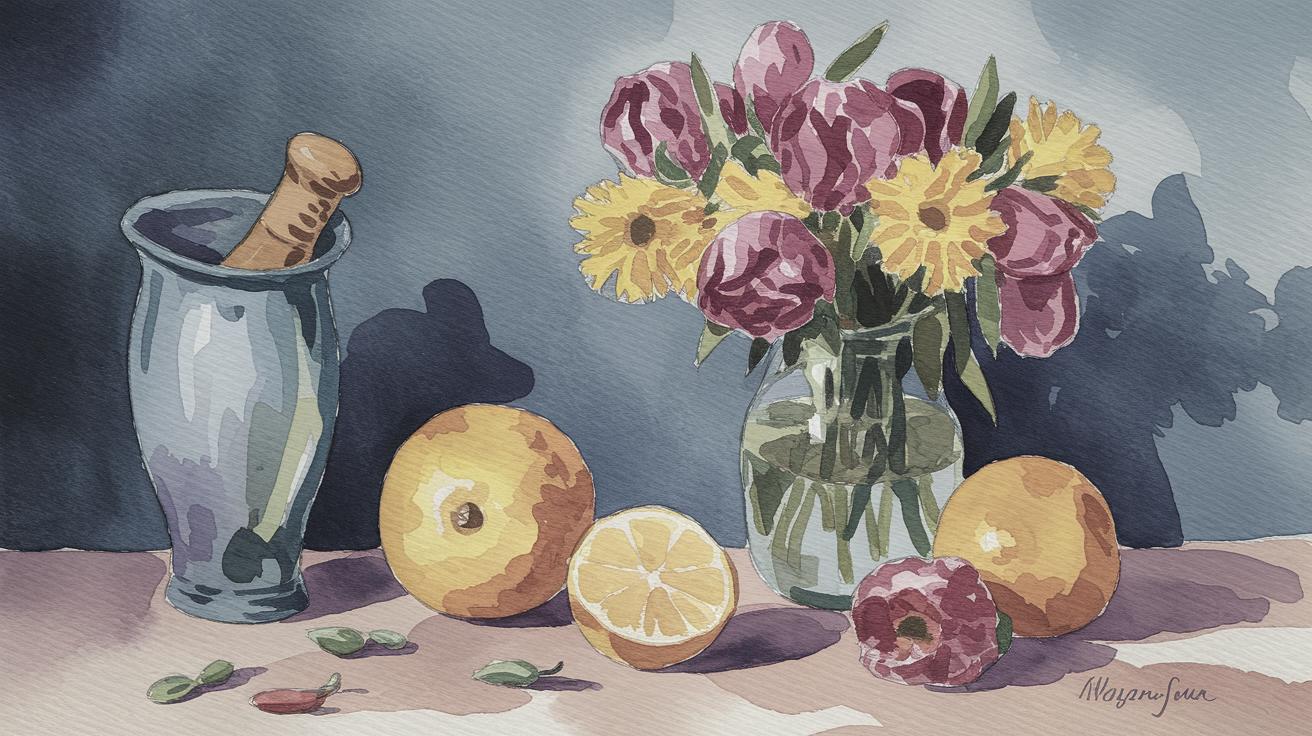
Vanitas art, a genre that emerged during the late Renaissance, serves as a profound reminder of mortality and the transient nature of life. Originating from the 17th century, particularly in the Netherlands, vanitas images are still-life paintings imbued with symbolic objects designed to convey philosophical messages about existence. This blog post delves into the intricacies of vanitas, explores a personal interpretation through artwork, and illuminates the complexities of prominent artists and scenes. We’ll journey through the layered narratives and artistic expressions of this genre, discuss the hyper-realistic landscapes of notable painter Scott Christensen, and explore the significant contributions of artists like Frank Ordaz. Along the way, you’ll find guidance on art education trends and see examples that resonate with the impermanence of life, including our featured painting of the week, “Light and Lace.”
My Vanitas Still Life
Creating a vanitas still life is an intricate process, blending meticulous symbolism with artistic expression. Each element within the composition carries a meaning, typically reflecting on morality, the passage of time, and the ephemerality of earthly delights. As an artist deeply engaged in this genre, my own creations often ponder these themes through the intricate placement of traditional symbols such as skulls, wilting flowers, and fading candles.
In my latest piece, inspiration drew from the idea of modern life’s fleeting aspects—technology, wealth, and social status. These are juxtaposed against age-old symbols like the hourglass and moth-eaten books, reminding viewers of the unending cycle and ultimate end we all face. By integrating contemporary symbols within the framework of classic vanitas, the artwork becomes not just a reflection of its time, but a dialogue bridging past and present understandings of life’s impermanence.
Painting of the Week: “Contemplating”
This week’s featured painting, “Contemplating,” beautifully encapsulates the essence of vanitas through its array of intricate details. The artist ingeniously uses light and shadow to direct our gaze across the canvas, lingering on each symbol, encouraging introspection about our own lives and priorities. “Contemplating” prompts questions about what we hold dear and what remains after life’s temporal pursuits have faded.
The skull, prominently centered, serves as the painting’s focal point, both literally and symbolically as a memento mori. The meticulous attention to the subtle decay of a flower petals, paired with an extinguished candle, further emphasizes the theme of life’s transiency. Such images are not just demonstrations of technical prowess but are intended as meditations on the inevitability of death, inviting viewers to reflect on the nature of their existence.
Bringing Nature to Life: The Realistic Landscapes of Scott Christensen
Scott Christensen is renowned for his ability to transform landscapes into breathtakingly realistic portrayals that deceive the eye. His work captures the natural beauty that often gets overlooked, elevating elements of nature to an almost supernatural level of attention. Christensen’s paintings celebrate the intricate details that make up vast panoramas, encouraging viewers to appreciate nature’s transitory essence.
In his dedication to exquisitely capturing the light at different times of the day, Christensen reveals the fleeting interactions between light and landscape that echo vanitas themes. His landscapes are immersive, emphasizing the delicate interplay and ephemeral beauty found in the natural world. Through his meticulous brushwork and atmospheric compositions, Christensen extends an invitation to rediscover our connection to nature and ponder its role within the cycle of life and death.
Your 2025 Guide to Art Workshops, Schools, and Ateliers
As the appetite for art education continues to broaden, finding the right path amidst a flock of opportunities can be daunting. With workshops, schools, and ateliers expanding their offerings, 2025 presents a landscape rich with options for artists at all levels. From short workshops for skill development to long-term programs for those seeking mastery, art enthusiasts are no longer confined to traditional routes.
One emerging trend is the integration of digital mediums into classical art education, providing artists the tools to blend traditional techniques with contemporary technology. This holistic approach offers budding vanitas artists a broader palette of techniques to express their unique perspectives on mortality and life’s transience. The art community is also leaning into global connectivity, facilitating cross-cultural exchanges and collaborations that further enrich the learning experience.
From Lucasfilm to Lake Tahoe: Frank Ordaz on Light, Legacy, and Landscape
Frank Ordaz, known for his cinematic heritage at Lucasfilm, brings a compelling narrative to his landscape paintings, rich with vanitas undertones. Stepping away from the visual storytelling of film, he shifted focus towards natural scenes imbued with emotive lighting and profound depth. His works often reflect a personal journey, mixing legacy with the inevitable temporal transitions within life and art.
The theme of light as a symbol of hope and transience is ever-present in Ordaz’s work. By transitioning from the fast-paced realm of film to the reflective stillness of Lake Tahoe’s landscapes, Ordaz not only bridges two artistic worlds but also illuminates the delicate balance of life’s fleeting moments, offering a sense of peace amid chaos. His landscapes act as vessels carrying subtle reminders of the legacy one leaves behind.
Painting of the Week: “Light and Lace”
“Light and Lace” is a striking composition that harmonizes elements of softness and stark realities, often found within the vanitas discourse. The delicate interplay of sunlight filtering through lace curtains casts ephemeral patterns that dance across the room, representing both the beauty and brevity of life’s moments. This painting invites viewers to appreciate the here and now, urging reflection on what remains long after the light fades.
The juxtaposition of finely woven lace against the somber reflection in a mirror deepens the conversation on perception and reality. This element of duality tells an unspoken story of contrast between past and present, melding the tangible with the ethereal. Each brushstroke in this painting is an invitation to ponder these contrasts within our own lives, embracing the elegance of impermanence.
Final Thoughts
| Section | Summary Content |
|---|---|
| My Vanitas Still Life | Explores personal interpretation of vanitas using modern symbols intertwined with traditional elements to convey life’s transience. |
| Painting of the Week: “Contemplating” | Analyzes an artwork that uses shadow and light to evoke reflections on mortality and temporal life’s pursuits. |
| Bringing Nature to Life: The Realistic Landscapes of Scott Christensen | Covers the artist’s skill in capturing nature’s fleeting beauty, enhancing appreciation for its ephemeral essence. |
| Your 2025 Guide to Art Workshops, Schools, and Ateliers | Highlights the expansion of art educational avenues, blending classic techniques with modern technology for enhanced creative expression. |
| From Lucasfilm to Lake Tahoe: Frank Ordaz on Light, Legacy, and Landscape | Details Frank Ordaz’s transition from film to painting landscapes, incorporating themes of light and transience. |
| Painting of the Week: “Light and Lace” | Describes the harmonious balance of light and dark in a piece that invites introspection on life’s ephemeral nature. |