
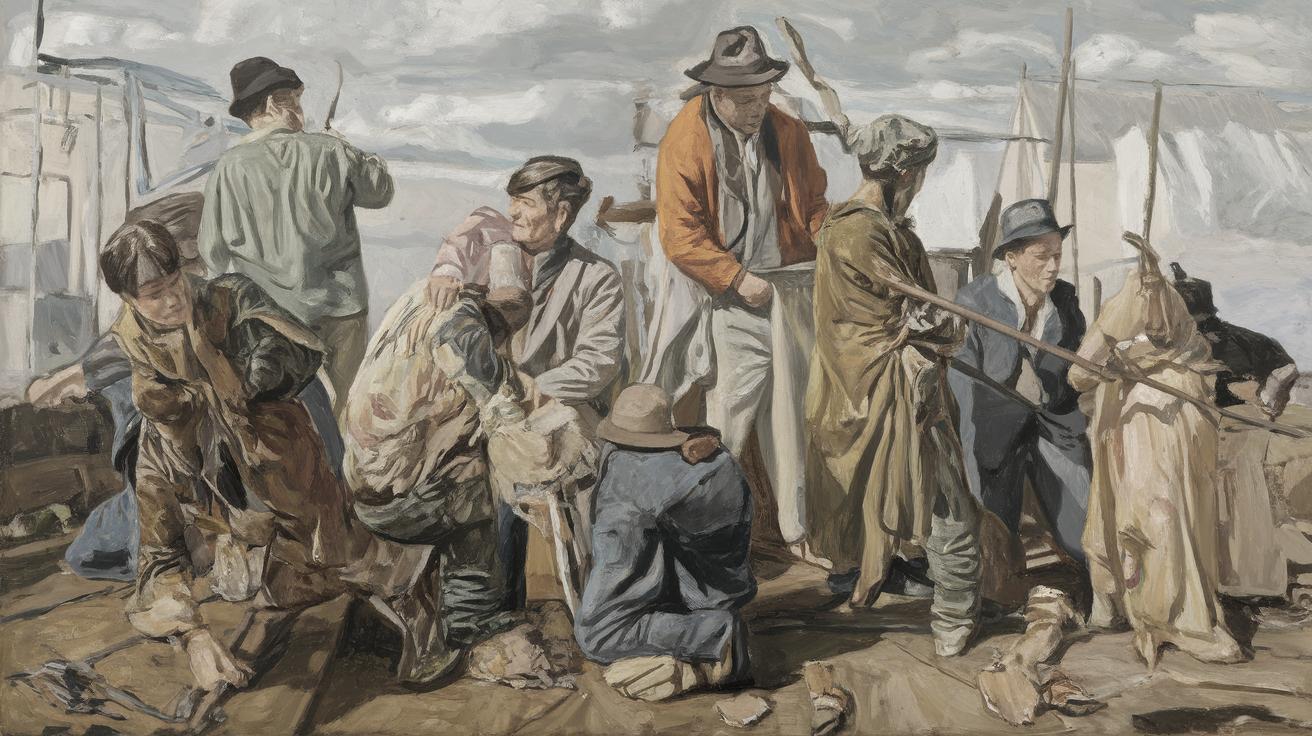
Exploring the Basics of Contemporary Art Drawing
In the vibrant world of contemporary art, drawing serves as both a foundational technique and a deeply expressive medium. This blog explores the nuances of contemporary art drawing, offering insights into its methods and significance. From understanding the importance of location in influencing artistic expression, to appreciating the role of images and downloadable resources that guide artists, each section delves into different aspects of this creative field. We also highlight related content that can further your understanding, culminating in a focus on David Haines, whose body of work exemplifies the delicate balance between visibility and obscurity in contemporary drawing. Through these discussions, you’ll gain an appreciation for the intricacies and breadth of contemporary art drawing.
Location
The environment in which an artist creates plays a crucial role in the formation and influence of their work. Contemporary artists often find inspiration in their surroundings, whether it be the bustling energy of a city or the serene tranquility of the countryside. The location can inform the subject matter, palette, and even the materials used, reflecting a unique blend of personal and environmental influence. Artists draw upon these surroundings as a canvas upon which their inner thoughts and societal observations are projected.
Urban settings, with their dynamic pace and diverse culture, often result in artworks that capture the essence of modernity and change. Conversely, more isolated environments might encourage introspective and minimalist approaches. The location also dictates the accessibility to materials and communities, impacting the evolution of an artist’s work. This diversity in geographical influence underscores the vast possibilities within contemporary art drawing, encouraging artists to immerse themselves in their environment as a source of innovation and reflection.
Images
Images in contemporary drawing serve not only as visual inspiration but also as a means of communication and story-telling. They are integral in conveying the artist’s intent, experiences, and emotions. The use of imagery connects the viewer to both the personal narrative of the artist and the broader societal themes they explore. In contemporary art, images often challenge traditional perceptions, inviting viewers to look beyond the surface and engage with the deeper context and meanings.
The evolution of digital technology has expanded the scope of how images are used and perceived in contemporary drawing. Digital manipulation and multimedia incorporation allow for new parameters of creativity, breaking the boundaries of traditional pen and paper. This melding of methods enhances the depth and reach of artistic expression, offering endless possibilities for innovation. Through powerful imagery, contemporary artists redefine and reshape visual culture, encouraging a more interactive and interpretive engagement from their audience.
Downloads
With the rise of digital technology and online platforms, downloading resources have become a significant asset for artists practicing contemporary drawing. These resources include tutorials, material references, and style guides that provide artists with tools to enhance their skills and develop their unique voice. The accessibility of downloadable resources democratizes the learning process, offering artists of all backgrounds the opportunity to refine their craft and explore new techniques.
Online platforms offer a wealth of downloadable assets, from software that simulates traditional drawing techniques to high-resolution images and textures that artists can incorporate into their work. Such tools break the limitations traditionally posed by physical and geographical constraints, allowing artists to push the boundaries of their creativity. With a rich repository of digital resources, artists can experiment, innovate, and connect with a global community of creators, ushering in a new era of artistic exploration and collaboration.
Related Content
For those looking to deepen their understanding of contemporary art drawing, exploring related content such as academic articles, workshops, and exhibitions can offer valuable insights and inspiration. These resources provide a broader context for the evolving nature of contemporary art, presenting diverse perspectives and interpretations that can inform and enhance an artist’s practice. Engaging with related content encourages continuous learning and adaptation, essential components of thriving in the dynamic art world.
Additionally, participating in art forums and online communities offers artists the chance to exchange ideas and receive feedback, fostering a sense of camaraderie and shared growth. Exploring curated content from various art institutions also shines a light on underrepresented voices and emerging trends in contemporary drawing, expanding the artist’s horizons and understanding of the field. These interactions and exposures fortify the artist’s practice, highlighting the importance of remaining curious and open to new experiences.
David Haines: A Fragile Membrane, an Illusive Screen
David Haines is a prominent figure in contemporary drawing, whose work exemplifies the complex interplay between clarity and mystery. His series, often characterized by intricate details and profound narrative depth, challenge the viewer to question their perception of reality. Haines’ drawings frequently explore themes of identity, technology, and the human condition, using his medium to blur the lines between what is seen and what is hidden.
His technique combines traditional drawing skills with digital influences, creating a fragile membrane between the physical and the abstract. This allows Haines to craft a body of work that resonates on multiple levels, drawing in the observer with its deceptive simplicity while revealing deeper truths upon closer examination. Through his art, Haines invites a dialogue on the role of contemporary drawing as both a reflective and transformative practice, highlighting its power to question and redefine visual narratives.
Lessons Learned
| Aspect | Summary |
|---|---|
| Location | Artists draw inspiration from their environments, influencing their style and subject matter. |
| Images | Images are vital for storytelling and creating connections with audiences in contemporary art. |
| Downloads | Digital resources democratize learning and expand the creative possibilities for artists. |
| Related Content | Engaging with diverse content and communities enriches an artist’s practice and understanding. |
| David Haines | Haines exemplifies the blending of traditional and modern techniques, showcasing art’s reflective power. |

