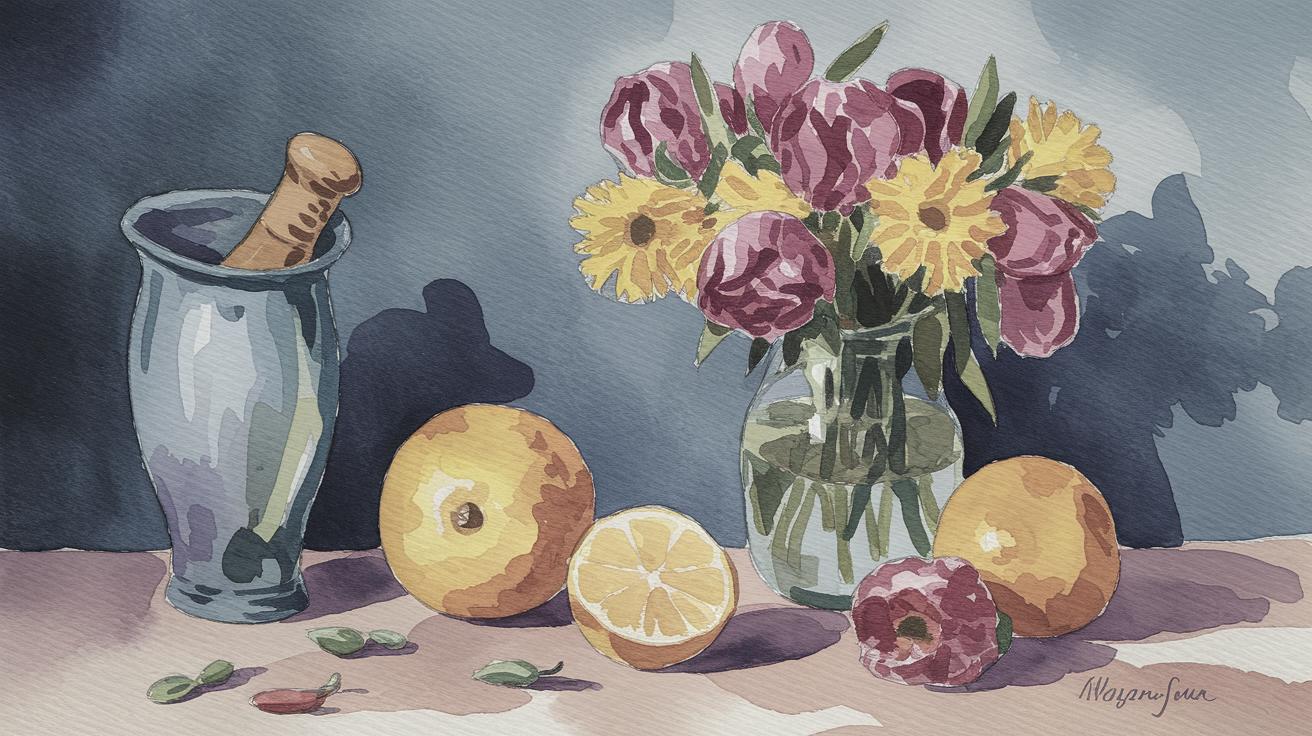
Beginner Realism Painting Made Easy
Embarking on a journey into the world of realism painting can be both exciting and overwhelming for beginners. In this guide, we’ll delve into foundational techniques and sketch ideas that simplify the process, making realism accessible and enjoyable. We’ll explore creative exercises like the 10-Minute Thumbnail Sketch Challenge, emphasize the importance of design and values, and breathe life into floral subjects, each with its unique character. Additionally, we’ll offer crucial advice on identifying art scams and returning to basic techniques that enhance artistic skills. This guide aims to empower aspiring artists with insights and practices to hone their realism painting skills.
Sketch Ideas
10-Minute Thumbnail Sketch Challenge: Birds
One of the best ways to ease into realism painting is to engage in brief yet impactful sketching exercises. The 10-Minute Thumbnail Sketch Challenge is a great starting point, allowing artists to practice capturing the essence of a subject in a limited time frame. Birds, with their diverse forms and expressions, make an ideal subject for honing quick sketching skills. By setting a timer for ten minutes, you can focus on rendering the basic shapes and movements, emphasizing the importance of observing and translating what you see onto paper swiftly.
These sketches are not meant to be detailed masterpieces but rather a way to loosen up and become more comfortable with your tools and subject matter. By regularly participating in these challenges, you can improve your ability to observe and simplify complex subjects, laying a strong foundation for further detailed studies.
Starting a Painting with Design and Values
Before diving into the painting process, begin by understanding the design and values of your composition. These elements are crucial in realism painting as they define the structure and depth of your artwork. Start by sketching out the basic composition, focusing on the placement of essential elements. Consider the balance and flow of the composition, ensuring that your design leads the viewer’s eye through the piece.
Values, ranging from light to dark, are equally important. They establish the mood and contrast in your painting. Create a value scale for your composition to guide you in applying colors, helping you maintain realism by replicating the way light interacts with different surfaces. Mastery of design and values before adding color ensures a well-structured and compelling piece.
A Floral Spotlight: Each Iris Has Its Own Personality
Flowers offer a rich, vibrant, and forgiving subject matter for aspiring realism painters. Each flower, particularly irises, has its distinct personality and character, providing endless possibilities for exploration. When painting irises, take time to observe each petal’s curvature and the colors’ interplay in the light. This observation is key to capturing the realistic details that define each flower’s unique traits.
Approach each flower as an individual subject. Notice the subtle differences in hue and texture, and let these details guide your brushwork and color choices. By recognizing each iris’s individuality, you’ll learn to appreciate and replicate the nuanced beauty and complexity in nature, elevating your realism painting practice to new heights.
Just One Thing
In the Off-Chance You Didn’t Know About These Art Scam Emails
Aspiring artists must be aware of potential scams in the art world, particularly as they gain visibility online. Many scammers target artists through emails, posing as interested buyers or collectors. These emails often promise lucrative deals or commissions, luring artists with the prospect of exposure and financial gain. However, the true intention is to defraud artists, either by requesting upfront payments for shipping or charging fees for fake services.
Stay vigilant by researching unfamiliar contacts and questioning overly generous offers. Use trusted platforms for transactions and never divulge sensitive personal information unless you’re sure of the recipient’s legitimacy. Protecting yourself from scams not only safeguards your finances but also ensures that your focus remains on the art of painting.
Advice on How to Paint: Back to the Basics
Painting of the Week: “Light and Lace”
Returning to the basics is essential for refining your painting skills and deepening your understanding of realism. A good way to do this is through painting exercises like “Light and Lace,” which challenges you to explore the delicate interplay of light and shadow on varied textures. This exercise focuses on creating depth and dimensionality in your work, essential traits of realism.
Begin by sketching out the basic forms of your composition, focusing on the way light interacts with different elements, such as soft fabric and intricate patterns. As you layer in the colors, pay close attention to gradations of light and shadow. This practice will enhance your mastery of creating realistic textures and lighting effects, elevating your overall artistic skill set.
10-Minute Thumbnail Sketch Challenge: Birds
Revisiting the 10-Minute Thumbnail Sketch Challenge with birds from a basics perspective can reinforce foundational skills. This exercise simultaneously sharpens your observation abilities and trains your hand to follow your mind’s eye. The benefit of quick sketching sessions is that they provide immediate feedback on what works and what doesn’t, which is instrumental for self-improvement.
Focus on simple shapes and line work rather than details during these sketches. This approach encourages you to prioritize critical attributes like posture and movement. By regularly engaging with such exercises, you become more adept at capturing the core essence of subjects, lending authenticity and vitality to your realism paintings.
In the Off-Chance You Didn’t Know About These Art Scam Emails
As you advance in your painting journey, awareness of the myriad scams targeting artists becomes critical. While not a direct painting tip, understanding how to navigate these scams helps preserve your artistic integrity and confidence. Art scams rob you not only financially but also emotionally, as they prey on your passion and perseverance.
Remain skeptical of unsolicited offers and look for inconsistencies in communication. Legitimate buyers and galleries will engage with you transparently and professionally. By safeguarding yourself from scams, you create a secure environment where your art can flourish without fear or distraction.
| Section | Description |
|---|---|
| Sketch Ideas | Explore initial sketch challenges and the importance of design and values. Dive into individual floral personalities for detailed yet varied subject matter. |
| Just One Thing | Discuss the necessity of recognizing and avoiding art scam emails prevalent in the artistic community. |
| Advice on How to Paint | A revisit to fundamental painting exercises and the utility of quick sketches to ensure improvement and awareness in artistic pursuits. |