
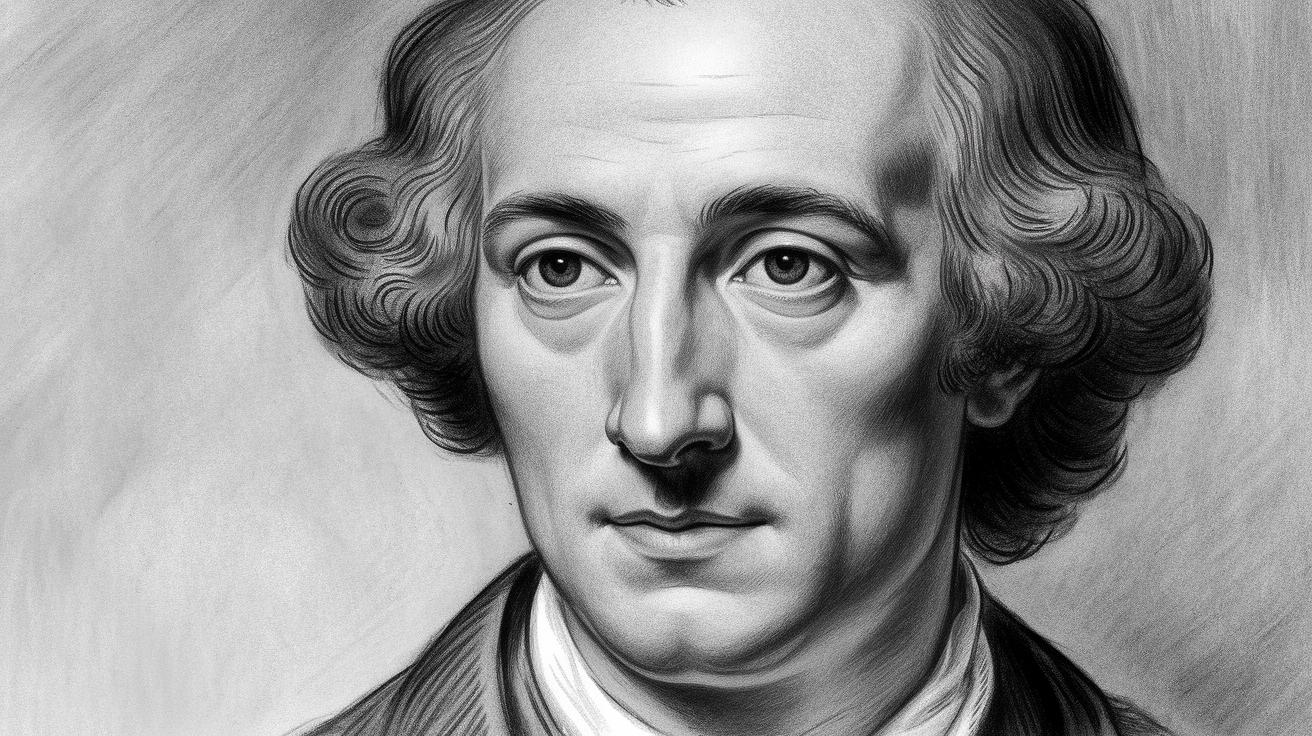
The Art of Charcoal: Discovering Masterpieces and Techniques
Charcoal, a versatile and expressive medium, has captivated artists across centuries due to its rich textures, contrasts, and capacity for finely detailed work. In this post, we’ll delve into the world of charcoal drawings, exploring fundamentals for beginners, highlighting materials, and examining the work of ten renowned artists who have mastered this medium. Moreover, we’ll address common queries such as why artists opt for charcoal and the themes prevalent in their work. Whether you’re an aspiring artist or an art enthusiast, join us in celebrating the many dimensions of charcoal artistry.
Charcoal Drawing For Beginners
Embarking on a journey with charcoal drawing can be both exhilarating and daunting for beginners. This flexible medium allows for a breadth of experimentation and innovation. Recognized for its dynamic range in tones and textures, charcoal brings a unique quality to both quick sketches and detailed illustrations. Beginners will find that mastering the basics of charcoal is crucial to develop an understanding of this medium’s potential.
Learning how to handle tools like sticks, pencils, and erasers effectively can transform simple black marks into intricate masterpieces. As you begin, it’s essential to understand pressure control, blending techniques, and the interplay between light and shadow. Charcoal drawing also offers the unique chance to explore the subtractive method, where an image emerges by erasing and manipulating the charcoal on paper.
Compressed Black Charcoal Sticks (12pc)
Compressed black charcoal sticks are an excellent starting point for beginners. These sticks, often sold in sets, provide a variety of hardness and shade options, allowing artists to experiment with different effects. Unlike vine charcoal, compressed charcoal is denser and results in darker tones, making it ideal for achieving bold contrasts in drawings.
The 12-piece set offers a comprehensive range of shades that enable new artists to explore the depth and dimension of their work. This versatility facilitates experimentation with line weight, texture, and layering—a fundamental aspect of charcoal artistry. As you advance, combining compressed charcoal with other forms, like pencils or powder, can further enrich your understanding and execution of this medium.
Jeff Haines’s Instagram profile post: “Charcoal on toned gray paper. Video:https://youtu.be/ZKVTZmowii4…”
Inspiration often strikes when least expected, and social media platforms like Instagram provide a serendipitous exposure to unique artistic styles. Jeff Haines’s use of charcoal on toned gray paper exemplifies how background choice can enhance charcoal’s effect. His work, showcased on Instagram, demonstrates the stark contrast between the charcoal’s dark tones and the subtler gray hues of the paper.
The video linked in his post further illustrates his technique, providing a step-by-step guide on layering and shading. Videos like Haines’s are invaluable resources for budding artists seeking to understand the intricacies of charcoal drawing. Observing his process offers insights into striking the right balance between pressure, control, and freedom, crucial for mastering charcoal art.
10 Famous Charcoal Artists to Know
Throughout history, many renowned artists have turned to charcoal to express their creativity and visions. These artists have utilized charcoal’s distinct characteristics to explore various themes and emotions, leaving an indelible mark on the art world. Here, we’ll explore ten notable figures who have distinguished themselves through their exquisite charcoal drawings.
Leonardo da Vinci (1452 – 1519)
Leonardo da Vinci was one of the first artists to elevate charcoal drawing to new heights. Known for his insatiable curiosity and meticulous nature, da Vinci used charcoal as a preliminary tool for larger works and complex compositions. His drawings, showcasing intense human emotion and striking realism, continue to inspire artists around the globe.
Among da Vinci’s myriad contributions to art, his charcoal sketches stand out for their detailed anatomy studies. His deft use of chiaroscuro—contrast between light and dark—has been integral in shaping observational drawing techniques. These profound explorations into the human form remain priceless educational resources for artists.
Kathe Kollwitz (1867 – 1945)
Kathe Kollwitz, a pioneering German artist, embraced charcoal for its emotive capabilities. Her work predominantly features themes of war, poverty, and social injustice, conveyed through evocative characters and poignant compositions. Kollwitz’s poignant style and deep understanding of human suffering resulted in works that are both haunting and moving.
Her series “The Weavers” and “The Peasants’ War” demonstrate her ability to use charcoal to amplify the intensity of her social commentary. Kollwitz’s unfaltering commitment to bearing witness to the plights of her subjects made her a powerful voice for the downtrodden and an influential figure in the Expressionist movement.
Henry Moore (1898 – 1986)
Henry Moore, primarily recognized for his sculptural works, also harnessed the power of charcoal to explore form and space. Moore’s drawings, often preparatory studies for his sculptures, reveal a deep understanding of spatial dynamics and human anatomy. His use of charcoal showcased his unique ability to capture mass and volume on paper.
During World War II, Moore’s “Shelter Drawings,” depicting civilians seeking refuge in London Underground stations, became significant historical documents. These charcoal images, capturing the raw essence of human endurance, are testament to his adeptness with this medium and his perceptive eye for human resilience.
Leon Kossoff (1926 – 2019)
Leon Kossoff, a significant figure in British art, was renowned for his dynamic charcoal portraits and urban landscapes. His vigorous application and expressive style reflect the emotional weight of his subjects. Kossoff’s work often depicted the changing landscapes of post-war London, infused with both energy and introspection.
Kossoff’s charcoal portraits are particularly notable for their intense realism and psychological depth. His adept handling of this medium allowed him to build up the layers of a subject’s character, capturing fleeting expressions and subtle emotions that only charcoal’s range can truly convey.
Dennis Creffield (1931 – 2018)
Dennis Creffield brought a distinctive intensity to his charcoal drawings, particularly known for his cathedral series. His understanding of architecture translated into powerful renditions of cathedrals, capturing their grandeur and spiritual essence through bold, sweeping gestures in charcoal.
Commissioned by the Arts Council to create drawings of all English medieval cathedrals, Creffield embarked on capturing these monumental structures with a robust, unfettered hand. His work offers a unique glimpse into the formidable beauty of England’s architectural heritage through the tactile quality of charcoal.
Frank Auerbach (Born 1931)
Frank Auerbach, famed for his thickly textured paintings, honed his artistic skills through charcoal drawings renowned for their intensity and complexity. His methodical approach involves adding and scraping back layers of charcoal, resulting in works that exhibit rich textures and depth.
Auerbach’s relentless pursuit of capturing the essence of his subjects—often London landscapes and intimate portraits—yields a powerful visual experience. His drawings demonstrate a mastery of charcoal to convey both dynamism and serenity, drawing viewers into their emotive force and atmospheric undertones.
Robert Longo (born 1953)
Contemporary artist Robert Longo has elevated large-scale charcoal drawings to new realms, creating hyper-realistic depictions that often comment on cultural and political themes. Longo’s technique involves intricate detail and precision, transforming the medium into a bridge between realism and abstraction.
Known for his “Men in Cities” series, Longo uses charcoal to capture figures in dynamic motion, emphasizing tension and emotion. His work frequently challenges the observer, prompting introspection on pressing societal issues through the visceral quality of charcoal imagery.
William Kentridge (born 1955)
South African artist William Kentridge has made a profound impact on the art world with his charcoal animations and multimedia installations. Kentridge’s work often addresses historical and political landscapes, executed in a style that merges rawness and elegance.
His process involves photographing charcoal sketches at various stages to create stop-motion animations. Kentridge’s technique reveals the ephemeral nature of memory and history, using charcoal’s inherent ability to be erased and reworked multiple times as a poignant metaphor for transformation and impermanence.
Zaria Forman (born 1982)
Zaria Forman uses charcoal to craft stunningly realistic depictions of natural wonders, particularly icy landscapes. Her large-scale drawings emphasize the vulnerability and beauty of Earth’s polar environments, merging artistry with advocacy for climate change awareness.
Forman’s meticulous attention to detail enables her to render these vast, frozen terrains with striking realism. By capturing the nuanced shifts between light on ice and water, she draws attention to pressing environmental concerns, demonstrating charcoal’s effectiveness in conveying both aesthetic beauty and urgent messages.
Kate Zambrano (Present)
Kate Zambrano is a contemporary artist whose portraiture in charcoal delves into the human psyche’s complexity. Known for her intimate and expressive style, Zambrano captures the raw emotion and subtle expressions of her subjects, presenting them in a visceral, captivating manner.
Her deft control over the medium allows her to reveal layers of human emotion, making her portraits deeply engaging. Through charcoal, Zambrano captures fleeting moments and emotions with a precision that elicits strong connections with her audience, highlighting the profound impact this medium can achieve.
Frequently Asked Questions
Why Did Famous Artists Choose Charcoal as Their Medium?
Famous artists have long turned to charcoal for its unique properties that allow for both bold gestures and intricate details. Charcoal’s versatility makes it ideal for exploring contrasts between light and shadow, offering a wide range of expression that can be adapted for varying artistic intents.
The immediacy of charcoal also makes it conducive to quick sketches and spontaneous creations, while its capacity for reworking permits ongoing evolution of a piece. Beyond its technical attributes, charcoal has an organic allure, evoking a tactile connection between the artist, the medium, and the artwork.
What Themes and Subjects Did Famous Charcoal Artists Explore in Their Works?
Charcoal artists have historically gravitated towards themes that harness the medium’s expressive potential. Subjects commonly explored include human figures, landscapes, and abstract forms, rendered through various artistic movements such as realism, impressionism, and expressionism.
The medium’s absorptive quality allows it to capture emotions and stories with evocative depth, making it a favorite for artists striving to portray complex themes such as social justice, war, memory, and imagination. This versatility in theme and subject matter highlights charcoal’s enduring relevance across artistic explorations.
Cite This Article:
For articles referencing the rich legacy of charcoal artistry, please use the following citation style:
Author: Your Name, Title: “The Art of Charcoal: Discovering Masterpieces and Techniques,” Published Date: mm/dd/yyyy, URL: yourwebsite.com.
Summary of Main Points:
| Section | Content |
|---|---|
| Introduction | Overview of charcoal’s richness as a medium and its enduring appeal in both historical and contemporary contexts. |
| Charcoal Drawing For Beginners | Guidance on starting with charcoal and recommended tools, such as compressed charcoal sticks. |
| 10 Famous Charcoal Artists to Know | Profiled artists include Leonardo da Vinci, Kathe Kollwitz, Henry Moore, amongst others, highlighting their contributions to art. |
| Frequently Asked Questions | Discussion on why artists choose charcoal and the thematic explorations common in charcoal art. |
| Cite This Article | Guidelines provided for citing information related to charcoal art topics. |

