How to Draw: Exploring Creative Ideas
Finding inspiration for drawing can sometimes feel like a daunting task, but with the right prompts and a creative mindset, it can become an enjoyable journey. This blog post delves into diverse drawing ideas across various themes, each serving as a gateway to unlock your artistic potential. We’ll explore subjects like plants and leaves, animals, people, food, and different environments, offering insights and techniques to enhance your drawing skills. Embrace each theme as an opportunity to push the boundaries of your imagination and refine your artistry. Whether you’re a beginner or a seasoned artist, these ideas aim to rejuvenate your creative process and introduce fresh perspectives to your work. Let’s dive into this artistic exploration and discover new ways to bring your drawings to life.
Plants + Leaves
Drawing plants and leaves invites you to engage with nature’s intricate patterns and shapes. Start by observing different types of leaves—notice their symmetry, veins, and unique textures. Practice sketching simple leaf forms before adding details like veins and curves to capture their lifelike essence. Celebrating the diversity of flora in your drawings not only improves your understanding of organic forms but also enhances your ability to replicate them on paper.
Consider drawing plants in various stages, from buds to full bloom, each presenting its own set of challenges and beauty. By exploring the anatomy and nuances of different plant species, you develop an appreciation for the subtleties of form and movement. Use shading techniques to add depth and contrast, transforming a simple sketch into a dynamic representation of nature’s beauty. Experiment with composition by arranging leaves and flowers in unique layouts, pushing the boundaries of traditional plant drawings.
Animals
The animal kingdom offers a limitless array of drawing possibilities, each creature inspiring new artistic interpretations. Begin with simple animal shapes to build your confidence, gradually advancing to more complex forms and expressions. Focus on anatomy and proportions to ensure your representations are both accurate and expressive. Capturing an animal’s personality in your sketches will enhance their emotional connection with viewers.
Explore a variety of habitats to discover animals in different contexts, encouraging versatility in your drawing approach. From the majesty of a lion in the savannah to the playful nature of dolphins in the ocean, each environment adds a unique narrative to your work. Incorporate textures such as fur, scales, or feathers, using various techniques to convey their distinct characteristics. This diversity of subjects encourages you to constantly adapt and improve your artistic skill set.
People
Drawing people is a fundamental aspect of art that challenges you to capture the complexity of human emotion and form. Begin with basic anatomy and proportions to create a solid foundation for your figure drawings. Focus on understanding human movements and expressions, as this allows for more dynamic and realistic depictions. Experiment with different poses and perspectives to breathe life into your characters.
Your portrayal of people can vary from realistic to stylized or abstract, each style providing unique opportunities for exploration. Consider integrating storytelling elements into your work, revealing narratives through gesture and expression. By observing people in everyday interactions, you can enhance your ability to capture candid and compelling scenes that resonate on a personal level. Embrace the endless diversity of human experience as a continuous source of inspiration.
Food
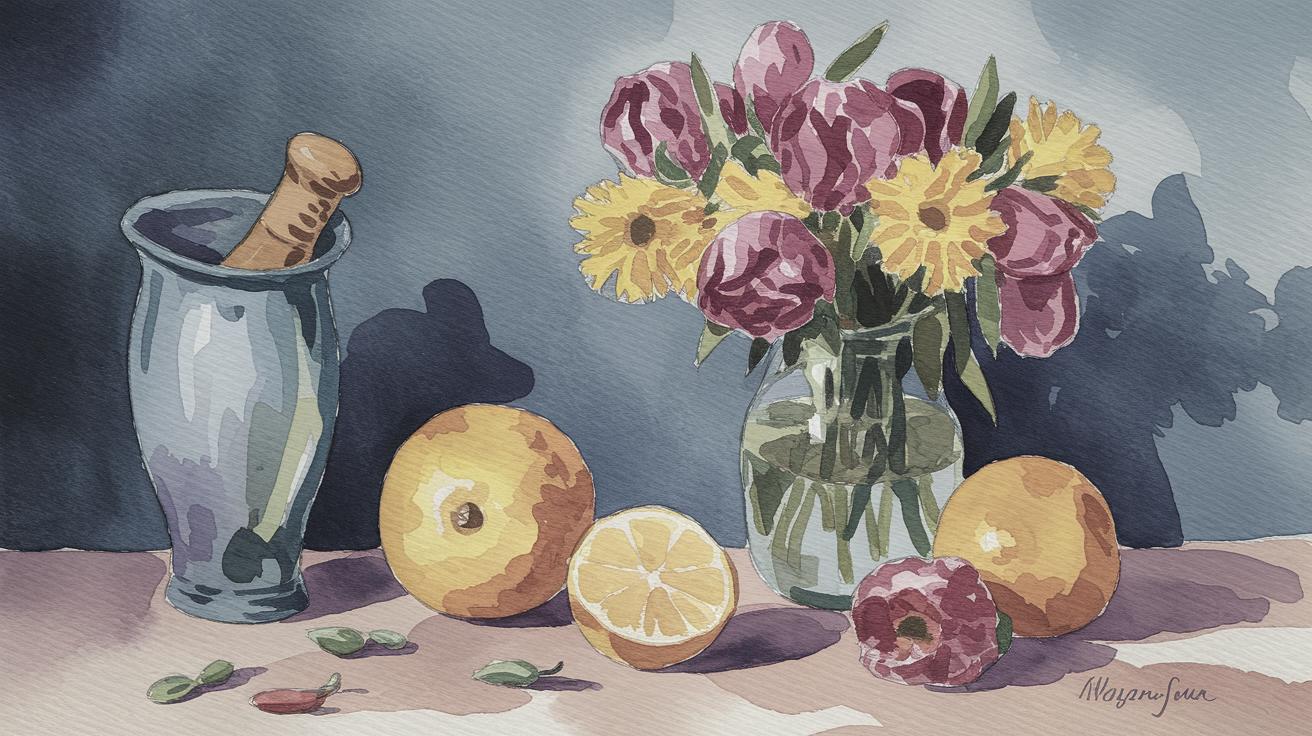
Food not only satisfies our physical hunger but also serves as a rich subject for drawing inspiration. Capture the vibrant colors and textures of different dishes, and consider the cultural significance they carry. From fresh produce to prepared meals, observing the intricate details of food can enhance your sense of shape and shading in your drawings.
Explore the elements that make food visually appealing, such as presentation and arrangement. Experiment with composition by sketching still life setups, using lighting and perspective to add depth and interest to your work. Food illustrations are an opportunity to celebrate the sensory experiences tied to taste, aroma, and visual appeal, allowing you to expand your creative expression in deliciously unexpected ways.
Environments
Creating environment drawings encourages a holistic view of landscapes and spaces, inviting you to capture the essence of different settings. Begin with the fundamental elements of scenery, like horizon lines and vanishing points, to construct realistic environments. Pay attention to the play of light, shadow, and color to convey atmosphere and depth in your work.
Explore a range of environments, from bustling urban landscapes to tranquil rural scenes, each inspiring unique textures and forms. By experimenting with weather conditions and times of day, you can create a diverse portfolio that captures the changing moods of various landscapes. Use this exploration to refine your skills in perspective and spatial awareness, essential tools for any artist creating compelling environment artworks.
Get more drawing ideas anytime with my free drawing ideas generator!
Are you ever stuck in a creative rut, unsure of what to draw next? Embrace the endless possibilities with my free drawing ideas generator! This tool is designed to spark your creativity with unique and random prompts spanning various themes and subjects. It’s perfect for artists looking to challenge themselves or simply explore new directions in their work. Whether you’re seeking inspiration for a quick sketch or an elaborate project, let the generator be your guide. Get started and discover how endless creativity can be with just a click!
Final Thoughts
| Category | Description | Techniques & Tips |
|---|---|---|
| Plants + Leaves | Exploring the forms and intricacies of plant life. | Observe patterns, use shading for depth, experiment with composition. |
| Animals | Drawing various animal forms and expressions. | Focus on anatomy, explore textures, incorporate different environments. |
| People | Capturing human form, emotion, and movement. | Study anatomy, experiment with styles, integrate storytelling. |
| Food | Depicting the vibrancy and appeal of culinary subjects. | Observe color and texture, explore composition, celebrate sensory appeal. |
| Environments | Creating immersive and varied landscapes. | Use perspective, study light and shadow, explore diverse scenes. |