
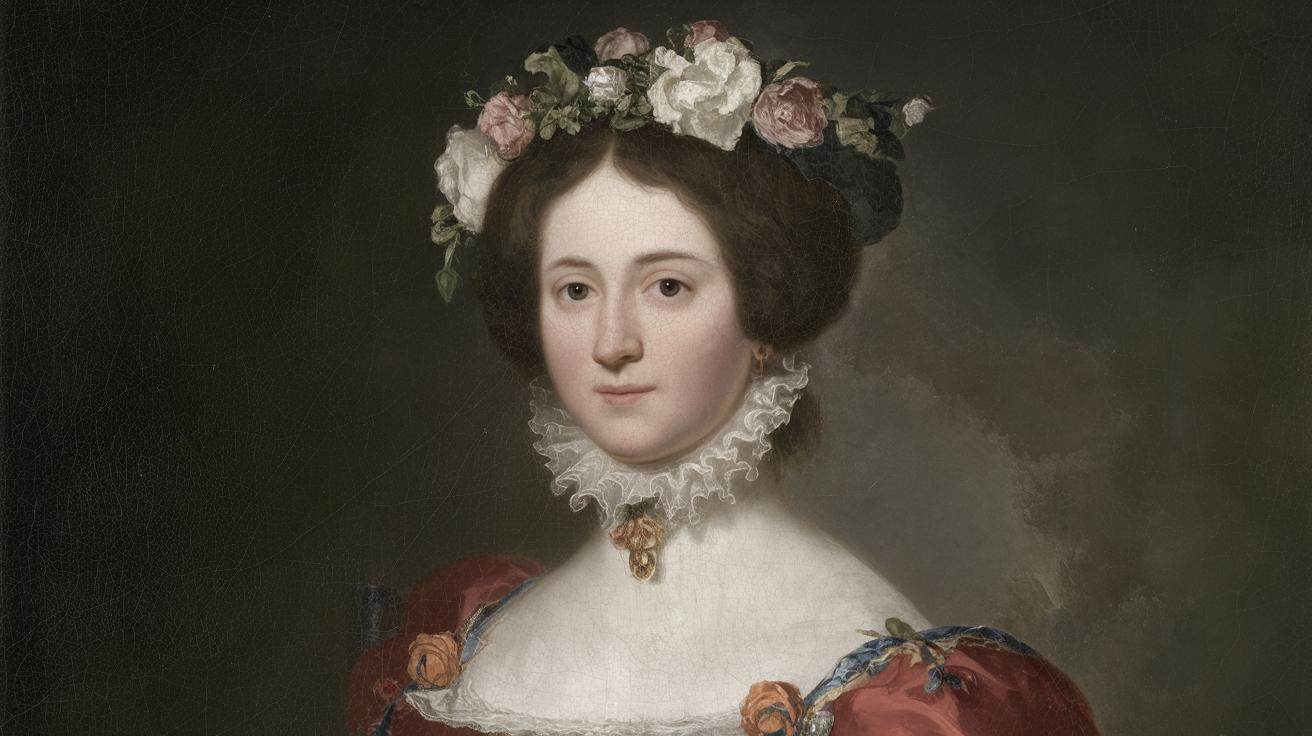
Rumors Faced by the Artist Adelaide Labille-Guiard
Introduction
Adelaide Labille-Guiard, an influential 18th-century French painter, had her share of rumors throughout her career. Navigating the art world, especially as a woman, came with unique challenges that manifested in the form of gossip and societal speculation. This blog post delves into the nature of these rumors, exploring the societal factors that contributed to them and Labille-Guiard’s resilient responses. Examining these narratives offers insight into her multifaceted identity and legacy as an artist who not only broke boundaries in her craft but also weathered various storms of misinformation.
About the Author
Adelaide Labille-Guiard was born in Paris in 1749 and grew up in an era when it was rare for women to pursue serious careers in art. Determined and talented, she became a well-regarded miniaturist and portrait painter. Her works are celebrated for their elegance and attention to detail, and she was one of only four women admitted to the prestigious Académie Royale de Peinture et de Sculpture in 1783.
Throughout her career, Labille-Guiard was known for her skillful brushwork and the sensitivity with which she captured her subjects. Her portraits often conveyed both the physical likeness and the psychological depth of her sitters, from nobility and prominent figures of the time to members of her personal circle. Her dedication to her art was paralleled by her efforts to advocate for women artists, challenging the societal norms and striving to carve out professional spaces for women in the arts.
Posted In
Historical perspectives on art often reveal the complex interplay between artists and the societies in which they operate. This post is part of a broader exploration of the challenges women artists faced in history and how they persevered despite societal constraints. Through examining Labille-Guiard’s experiences, we gain a deeper understanding of the obstacles that shaped her artistic journey and the broader implications for gender and artistic expression during the Enlightenment period.
Additionally, this post contributes to ongoing discussions in art history and gender studies, highlighting the enduring influence of rumors and public perception on women artists’ careers. By shedding light on the rumors surrounding Labille-Guiard, we not only honor her legacy but also promote a wider appreciation of the societal dynamics that inform artistic legacies.
Tagged:
This article is tagged under several relevant categories, ensuring it reaches readers interested in related themes. Tags include “Women in Art,” “18th-Century Art,” “Art History,” and “Gender Studies.” These tags aim to connect readers with content that provides additional context and depth, fostering a comprehensive understanding of the historical and cultural backdrop against which Labille-Guiard worked.
The inclusion of specific tags allows easy navigation for those exploring similar topics, facilitating connections between this piece and other discussions about influential women artists. It encourages an interdisciplinary approach, inviting readers from diverse fields to engage with the themes explored in the narrative of Labille-Guiard’s life and work.
Author: Ellen Moody
Ellen Moody, the author of this post, is a respected academic and writer with a keen interest in the intersection of gender and art. Her extensive research into women artists of the Enlightenment era offers a rich foundation for exploring the unique challenges faced by figures like Adelaide Labille-Guiard. Ellen’s work often emphasizes the importance of context in understanding historical narratives, dissecting the intricate layers behind the stories of women who dared to defy societal norms.
Known for her engaging writing style and dedication to highlighting often-overlooked stories, Ellen Moody brings clarity and passion to the exploration of Labille-Guiard’s career. Her insights help illuminate the broader narrative of women’s contributions to art history, ensuring that these vital stories continue to inspire and educate future generations of both artists and art enthusiasts.
Share this:
Related
For readers interested in further exploring the life and work of Adelaide Labille-Guiard, consider reading more about the artists of the Académie Royale, which also featured renowned contemporaries such as Élisabeth Vigée Le Brun. Comparable narratives provide a glimpse into the wider network of women artists during the period, drawing parallels and contrasts that enhance our understanding of their respective paths and influences.
Additionally, exploring related themes such as the role of patronage in the 18th-century art world, the impact of the French Revolution on artists, and the evolution of women’s roles in cultural production can offer richer context to Labille-Guiard’s story. These topics reveal how interconnected personal, political, and cultural dynamics shaped the careers and reputations of artists like her.
Summary of Main Points
| Section | Content Summary |
|---|---|
| Introduction | Overview of Adelaide Labille-Guiard’s challenges with rumors and societal perceptions during her career. |
| About the Author | Details on Labille-Guiard’s background, achievements, and advocacy for women in the arts. |
| Posted In | Contextualizes the broader discussion on historical and gender perspectives in art. |
| Tagged | Highlights relevant categories and themes connected to the article. |
| Author: Ellen Moody | Introduces the author of the post, emphasizing her expertise and focus on women’s roles in art history. |
| Share this | Encourages readers to share the article through social media and email. |
| Related | Suggests further reading and topics connected to Labille-Guiard’s narrative. |

