
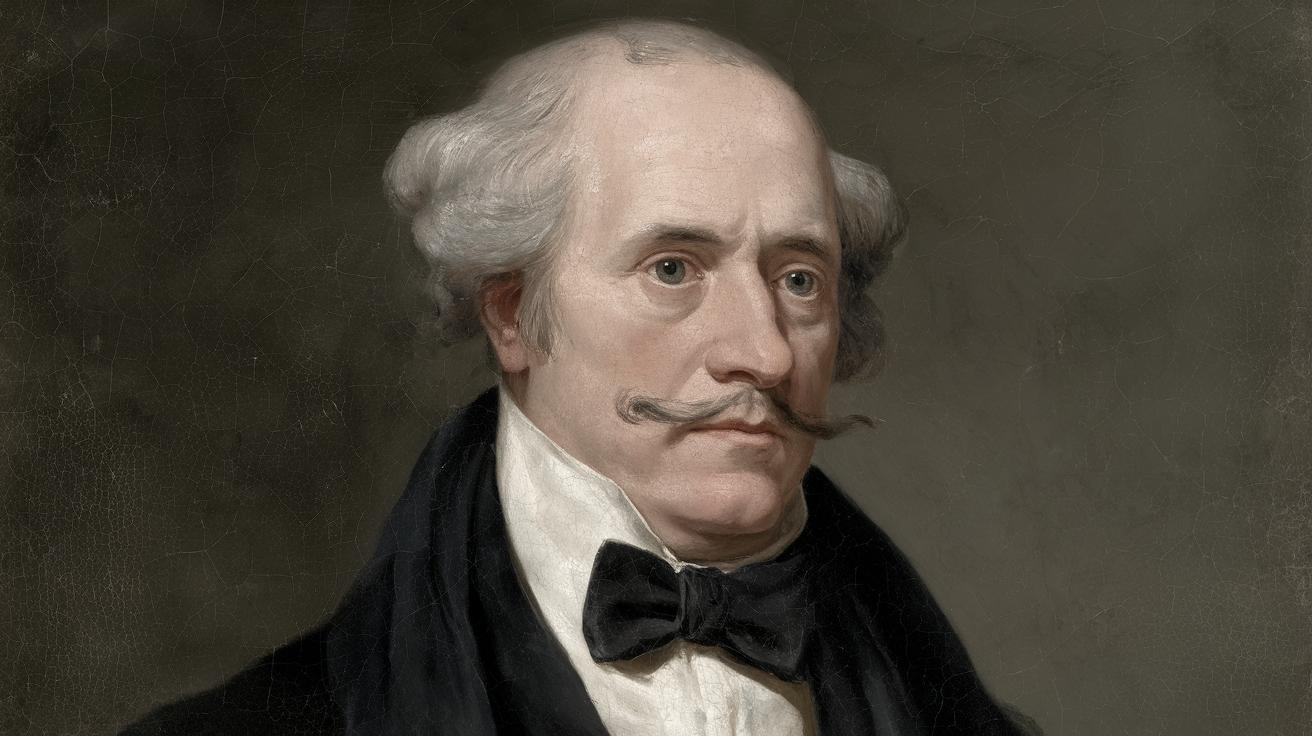
Unveiling the Mastery: Anders Zorn’s Self-Portrait
Anders Zorn, the Swedish virtuoso of the brush, carved his name into the annals of art history with unparalleled finesse and eloquence. His self-portrait, imbued with a mesmerizing blend of personal insight and masterful technique, remains a testament to his prowess. This blog post delves deep into Zorn’s “Self-Portrait in Red,” exploring the intricacies and cultural significance of this extraordinary piece. From the artist’s intentions and the creative process behind the portrait to the technical specifications and current status of the artwork, this comprehensive exploration offers an immersive glimpse into Zorn’s world. Join us as we unravel the layers of this timeless masterpiece and its lasting impact on art connoisseurs and enthusiasts worldwide.
About this artwork
Anders Zorn’s “Self-Portrait in Red” stands as a singular piece of artistic introspection, showcasing both technical prowess and a deep understanding of self-representation. Painted during a period marked by a personal and professional zenith in Zorn’s career, this self-portrait captures the stature and confidence of the artist at the height of his powers.
Zorn utilizes a nuanced palette dominated by rich reds, displaying his exceptional control over color and texture, which structures the emotional resonance and psychological depth of the piece. This work serves as an exploration of personal identity, presenting not just an image of Zorn himself, but also an embodiment of his aspirations, challenges, and his unyielding pursuit of excellence in portraiture.
Artist:
Anders Zorn was a prolific Swedish artist distinguished by his remarkable talent in portraiture and an astute understanding of human expression. Born in 1860 in Mora, Sweden, Zorn emerged from modest beginnings to become one of the most acclaimed painters of his time, revered not just nationally but also internationally.
Zorn’s career was an epitome of success, marked by a grand tour throughout Europe and America, where he painted distinguished figures, including three U.S. Presidents. His work showcases a distinct ability to capture light and atmosphere, a skill that set him apart in a period dominated by the luminaries of Impressionism and Realism.
Artist
As both a painter and an etcher, Anders Zorn exhibited a remarkable versatility that allowed him to master a range of mediums. Beyond his skill, Zorn possessed an innate ability to connect with his subjects, capturing their essence on canvas with remarkable empathy and insight. His self-portraits, in particular, reflect a narrative of constant introspection.
Through his vivid and expressive techniques, Zorn’s works are lauded for their ability to evoke emotion and convey the spirit of the time. His self-portrait in red conveys these qualities, showcasing a moment in time where the artist stands not only as a creator but as an enigma in his own narrative.
Credit Line
The “Self-Portrait in Red” is an invaluable part of Zorn’s artistic lineage, currently held in the esteemed collection of the Zorn Collections based in Mora, Sweden. The museum stands as a tribute to Zorn’s legacy, housing a vast array of his works and artifacts that chronicle his artistic journey.
This portrait is reflective of Zorn’s consistent commitment to capturing the essence of his subjects with fidelity and grace, though few pieces afford such a raw glimpse into the artist’s soul as his self-portraits do. It is a treasure for art enthusiasts and scholars alike, offering a tangible connective thread to one of Sweden’s greatest artistic exports.
Currently Off View
While many cherish the prospect of viewing Zorn’s art in person, the “Self-Portrait in Red” is currently not on public display. Interim conservation efforts and gallery rotation schedules have rendered this piece inaccessible, heightening the anticipation of its next exhibit.
This absence serves to remind enthusiasts of the delicate balance in the art world between preservation and exhibition. The anticipation of its return to public view continues to grow, promising a renewed interest and scholarly discussion upon its reintroduction.
Date:
The “Self-Portrait in Red” was painted in 1915, a time when Zorn was at the pinnacle of his career, engaged in extensive exhibitions across Europe and America. This time frame is significant as it reflects a mature Zorn, who had by then developed a robust understanding of his artistic voice.
1915 was a period marked by both internal turmoil due to the looming effects of World War I and personal achievements for Zorn, whose influence had reached staggering heights. This piece encapsulates the complexity of this era, offering insights into how external events can impact an artist’s interior life and work.
Department
Upon its creation, the “Self-Portrait in Red” aligned itself with the broader category of European Art, showcasing influences both from the Old Masters and the burgeoning movements of Impressionism and Modernism. Zorn’s ability to bridge these worlds is evident in the composition and execution of this engaging self-portrait.
Residing under the stewardship of the Department of Paintings, this work provides crucial context and contrast to other paintings from the early 20th century. It not only exemplifies Zorn’s unique ability to capture human expression but also his adept skill at employing new methods that propelled him beyond the traditional confines of portrait painting.
Dimensions
The dimensions of “Self-Portrait in Red” are emblematic of traditional portraiture standards, allowing viewers an intimate encounter with the subject depicted. Though exact measurements are often secondary to the emotional impact, they do influence the viewer’s immediate experience of closeness to the artwork.
The standard portrait dimensions enable the piece to command a thoughtful gaze, presenting Zorn in a way that allows for contemplation of his expression and mastery of color. Through its size, the portrait acts as a window into the artist’s exploration of self, inviting viewers to engage with the narrative painted both by and of Zorn.
Extended information about this artwork
Zorn achieved far more than an aesthetic likeness in this self-portrait; he embarked on a contemplative journey to capture the essence of his being amidst the changing tides of the early 20th century. The use of red takes on symbolic connotations, evoking a range of emotions from passion to introspection, and reflecting the tumultuous historical backdrop.
Critically analyzed as a highlight of Zorn’s oeuvre, the portrait is steeped in allegorical elements. It incites discourse surrounding identity, visibility, and artistic legacy, contributing to its enduring appeal as a dynamic piece of self-representation.
Image actions
The digital era offers unprecedented access to Anders Zorn’s works for a global audience, allowing viewers to analyze and appreciate the “Self-Portrait in Red” through high-resolution images available online. This accessibility plays an invaluable role in art education and critique, enhancing understanding and appreciation.
Online interaction with the work provides a means to share insights, conduct scholarly analysis, and facilitate dialogue about its various elements. Institutions can thus reach a broader audience, fortifying the global legacy of Zorn’s art in contemporary and future generations.
Inscriptions
The portrait bears inscriptions that anchor it in the tangible world, suggesting insights into Zorn’s methodologies and the contextual framework within which he operated. These may include the artist’s signature, dated annotations, or other identifiers, all adding layers to the understanding of the portrait.
Inscriptions offer invaluable data for art historians and enthusiasts alike, functioning as a provenance method that enhances the depth of engagement with Zorn’s work and permits a closer look into the elusive nuances that inform its creation.
Medium
Anders Zorn was reputed for his versatility across media, yet oil on canvas remained a favored choice for many of his major works, including “Self-Portrait in Red.” This medium allowed for exceptional manipulation of pigment and texture, complementing Zorn’s vigorous application of paint.
The medium’s fluid versatility ensures the vibrancy of color and the dynamic presence of his subjects, traits inherent to Zorn’s craftsmanship and coherently displayed in this portrait. His command over oil gives the piece both longevity and palpable emotion, solidifying its place in the pantheon of art history.
Place
Conceived and executed in Zorn’s native Sweden, the “Self-Portrait in Red” reflects not only a visage of an internationally recognized artist but a profound connection to his origins in Mora. The choice of location and background probably influenced the mood and emotional landscape of the piece.
Sweden, known for its unique interplay of light and natural scenery, offered Zorn a perpetually inspiring environment. The cultural and environmental context of this painting cannot be overemphasized, inviting viewers to appreciate the rich heritage from which Zorn emerged.
Reference Number
Assigned a distinctive reference number, the portrait is catalogued within the esteemed Zorn Collections, indication of its significance and easy identification among collectors and scholars. This reference ensures a streamlined attribution, facilitating ongoing scholarly research and contextual placement within Zorn’s body of work.
Such cataloguing is vital to maintaining the integrity of art collections, ensuring that crucial information is preserved and accessible for future art historical study and preservation efforts.
Share
In today’s interconnected world, the sharing of art transcends physical boundaries, inviting a wider audience to join in the appreciation and study of Zorn’s self-portrait. Platforms dedicated to art allow for dynamic interactions, discussions, and appreciations of such masterpieces across diverse communities.
Encouraging dialogues about “Self-Portrait in Red” allows its interpretation and appreciation to evolve, grounding it in contemporary cultural contexts. This shared interaction enriches public understanding and facilitates new interpretations of Zorn’s intent and legacy.
Status
Though currently off view, “Self-Portrait in Red” retains a revered status within the art community. Its unseen presence continues to foster fascination, with academic discussions and publications ensuring that it remains a pivotal work in Zorn’s oeuvre.
The portrait’s ongoing influence stimulates continuous scholarly examination and public interest, highlighting the undiminished relevance of Zorn’s artistry, which commands admiration even well into the 21st century.
Title
“Self-Portrait in Red” – A Hidden Procession
The title “Self-Portrait in Red” invites curiosity, serving as an immediate draw into the thematic core of the painting. The choice to highlight the color red underscores the emotive force Zorn sought to convey, utilizing the potency of color symbolism within portraiture.
This peculiarly titled piece encourages spectators to delve deeper into both the explicit and subliminal messages that Zorn embedded within the portrait. The interplay of title, composition, and color fosters a dialogue between the artist and his audience, forever embedding “Self-Portrait in Red” within the storied tapestry of art history.
| Aspect | Details |
|---|---|
| About the Artwork | An introspective piece with technical mastery and personal insight. |
| Artist | Anders Zorn, renowned Swedish artist known for his portraiture. |
| Credit Line | Part of the Zorn Collections, Mora, Sweden. |
| Currently Off View | Not currently on public display due to conservation processes. |
| Date | Painted in 1915 during Zorn’s career peak. |
| Department | Associated with the Department of European Art. |
| Dimensions | Standard portrait dimensions drawing the viewer into the subject’s presence. |
| Medium | Oil on canvas, showcasing Zorn’s proficiency with paint. |
| Place | Painted in Sweden, reflecting Zorn’s connection to his roots. |

