
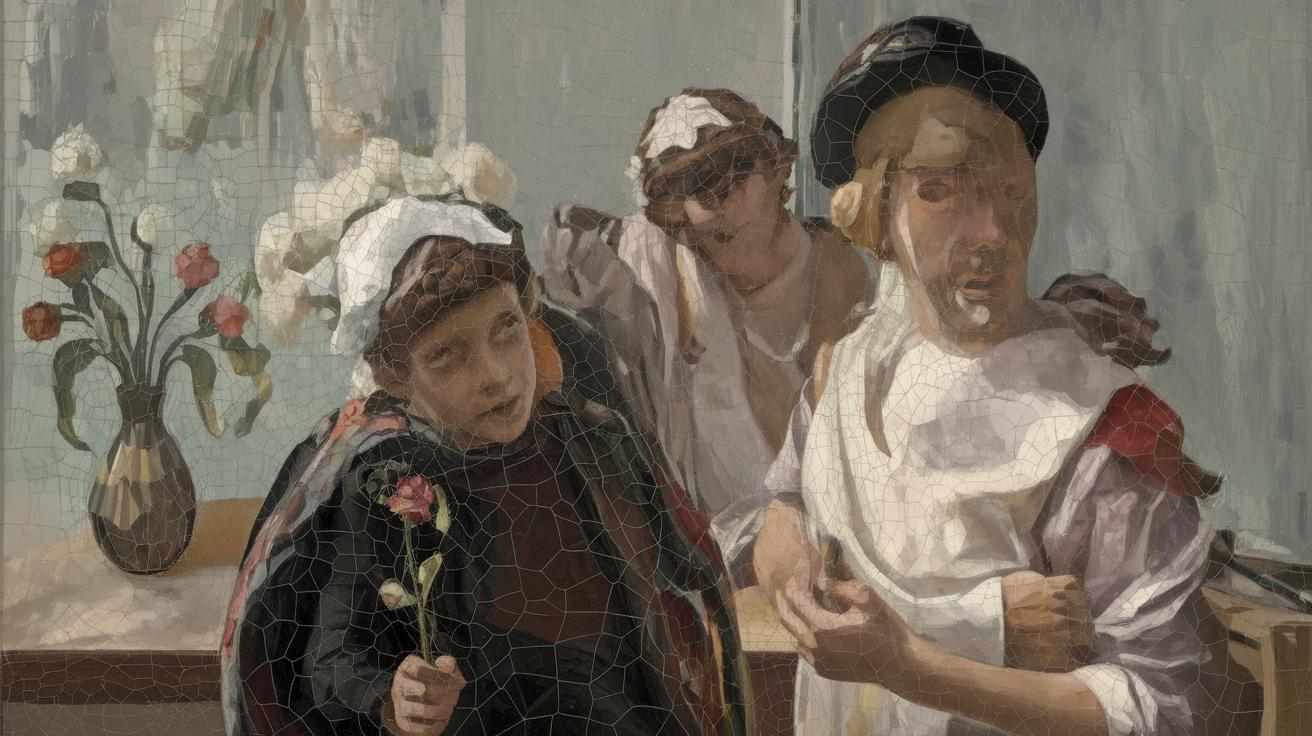
Understanding Figurative Art
Figurative art, a genre that represents real-world objects more realistically, is a cornerstone of art history, tracing back to prehistoric cave paintings. This blog post delves into the nuances of figurative art, exploring related terms, notable artists, and distinctive artworks. We’ll dissect its underlying structure and tone and consider techniques to deepen appreciation. We’ll also challenge you with exercises to engage with figurative art actively, and highlight a painting of the week to refine your perspective. By traversing this artistic realm, both newcomers and seasoned art enthusiasts can discover the potent narrative and emotional depth that figurative art embodies.
Related Terms and Concepts
The term “figurative art” encompasses a wide array of artistic practices that prioritize representational semblance to reality. This concept can often be contrasted with abstract art, which eschews recognizable form to emphasize mood, symbolism, or personal expression. Within this genre, terms like “realism,” “naturalism,” and “idealism” surface frequently. Realism aims for photograph-like accuracy, while naturalism captures lifelikeness with slight artistic tweaks, and idealism transforms subjects into their most perfect forms.
Another crucial concept is “figuration,” referring to the embodiment of forms that relate to human figures and environments. This dynamic field includes portraiture, still life, and landscape paintings. Such artworks manifest objects with recognizable connections to everyday life, weaving continuous dialogue with the viewers who find familiarity in the subjects.
Selected Artists in the Collection
Among the pantheon of figurative artists, some names stand out due to their enduring impact and unique storytelling ability. Leonardo da Vinci is a seminal figure, whose works like “Mona Lisa” encapsulate the essence of human emotion and anatomical precision, embedding a lifelike mimetic that has transcended centuries.
In modern times, artists such as Lucian Freud and Francis Bacon offer potent explorations into the human psyche and form through their emotionally charged portraits. Their contributions invigorate figurative art by presenting not only a visual resemblance but also a psychological depth that invites introspection.
Selected Artworks in the Collection
“Guernica” by Pablo Picasso, though primarily regarded as a work of political abstraction, employs figurative elements to communicate historical tragedy effectively. Through fractured forms and distorted figures, Picasso manifests the harrowing impact of war.
Another notable piece is Johannes Vermeer’s “Girl with a Pearl Earring,” an ultimate example of how still a moment can breathe vibrancy and deep narrative. Its meticulously constructed details serve as an invitation to ponder the story behind the subject’s enigmatic expression.
The Underlying Structure
Understanding figurative art requires an appreciation of its structure, often characterized by proportion, perspective, and anatomy. Artists employ these elements to create a sense of realism that adheres to the viewer’s expectations of the known world. Mastery of these foundational skills enables the artist to manipulate reality with artistic intent.
Composition plays a pivotal role in guiding the viewer’s gaze through the artwork, ensuring that each element complements the narrative and impact of the piece. The choices an artist makes regarding positioning, focal points, and symmetry often reflect deeper thematic intentions, revealing the essence below the surface.
Figurative Art: The Underlying Tone
Beneath the depictive surface of figurative art lies an undercurrent of emotional and thematic resonance. Artists choose subjects not just to mirror reality but to provoke particular feelings or convey messages. This tonal layering can range from the serene elegance of a still life to the turbulent drama depicted in historical scenes.
The emotional tones captured in figurative artworks derive from nuanced uses of color, light, and shadow. These elements transform mere representations into complex stories; each stroke and hue is deliberate, crafting a dialogue between the viewer’s perception and the artist’s intention.
Carrying it Further
10-Minute Thumbnail Sketch Challenge: Birds
One effective way to enhance your skills in figurative art is through quick sketch exercises. A 10-minute thumbnail sketch challenge centered on birds, for instance, encourages spontaneity and instinctual drawing. By capturing the essence of movement and form rapidly, you refine observational acuity and foster a deeper connection with your subjects.
Such exercises focus not on precision, but on gestural lines and simple shapes to approximate structure and form. This practice translates into bolder artistic decisions, cultivating a sense of freedom and confidence in your work.
A Floral Spotlight: Each Iris Has Its Own Personality
Floral studies provide another avenue to explore the subtleties of figurative art. Irises, in particular, offer striking diversity in color and form, inviting artists to discern unique characteristics and traits amongst seemingly similar subjects. Painting these flowers sharpens attention to variation and complexity.
When rendering flowers, attention paid to light interplay and texture enhances the perception of individuality within each bloom. The nuanced blending of hues challenges artists to capture inherent beauty, making each piece a testament to the diversity of the natural world.
Starting a Painting with Design and Values
Launching into a painting with design and values in mind is crucial in figurative art. These foundational elements guide the initial stages of composition, where conceptual decisions impact the tonal framework. Value studies introduce depth and dimension, setting the stage for color application.
Designing with preliminary sketches or value scales ensures cohesion and emphasis within the piece. By organizing visual priorities early, the artist maintains focus on compositional clarity and expression throughout the creative process.
Indicate, Don’t Illustrate
A pivotal lesson from figurative art lies in the distinction between indicating and illustrating. Indicating involves suggesting form and contour with minimal detail, allowing viewers’ imagination to fill in specifics. This technique fosters engagement by inviting viewers to become active participants in the artistic narrative.
Restraining from over-articulation hones artists’ abilities to distill their subjects into vital gestures and shapes, emphasizing essence over exhaustiveness. This practice hones a nuanced artistry, where suggestion reigns supreme over literal depiction.
Painting of the Week: “Old Copper and Fruit”
This week’s featured painting, “Old Copper and Fruit,” exemplifies the timeless allure of figurative still life. It masterfully juxtaposes the textural richness of tarnished metal against the lush, vibrant hues of fruit, capturing an evocative interplay of age and vitality.
The painting’s beauty lies in the harmony of contrasting textures and tones, inviting viewers to explore the relationship between objects. The deft use of light and shadow enhances dimensionality, fostering a meditative reflection on the passage of time harbored within static subjects.
Lessons Learned
| Aspect | Details |
|---|---|
| Related Terms | Explores realism, naturalism, and idealism; contrasts with abstract art. |
| Artists and Artworks | Highlights da Vinci, Freud, and Bacon; discusses impactful pieces like “Guernica”. |
| Underlying Structure | Focuses on proportion, perspective, and anatomy. |
| Underlying Tone | Examines emotional and thematic intentions through colors and light. |
| Practical Engagement | Includes sketch challenges and floral studies to improve skill. |
| Feature of the Week | Showcases “Old Copper and Fruit” for its textural contrast and theme. |

