
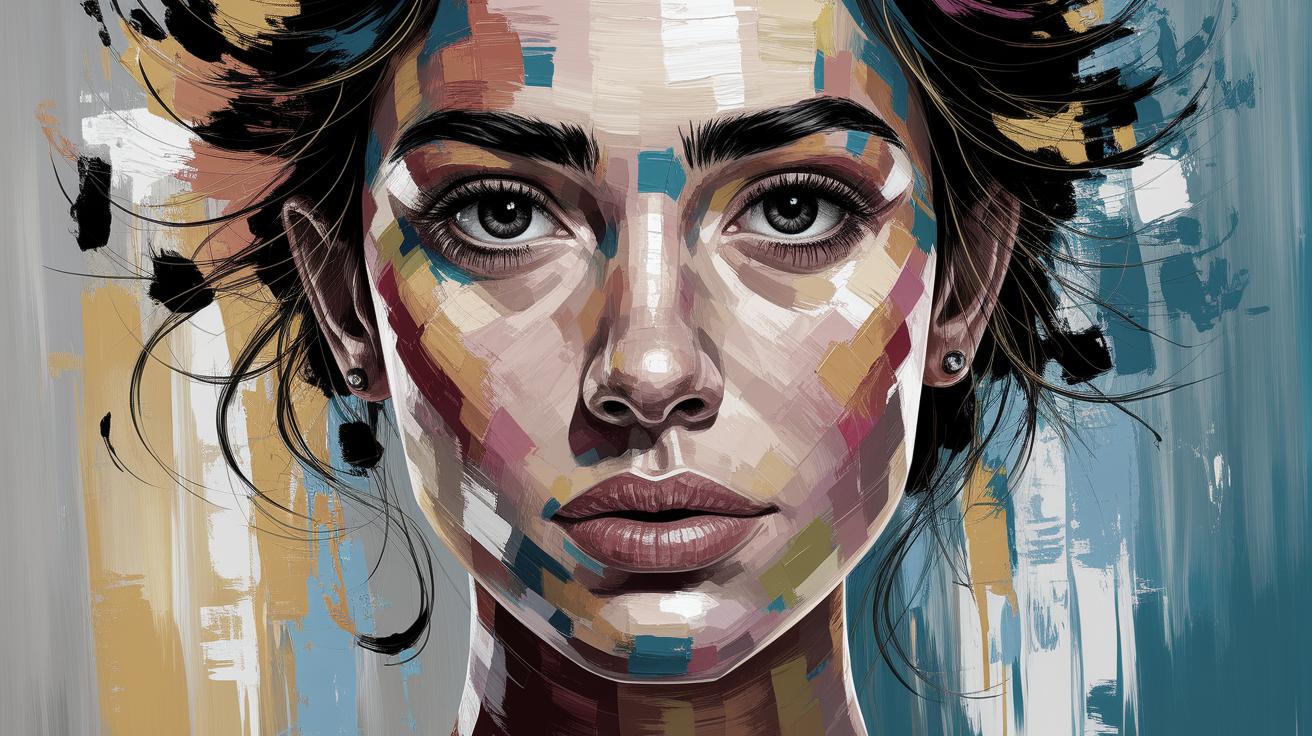
Abstract Oil Painting Portraits: Mastering the Art
Abstract oil painting portraits offer an intriguing fusion of technique and expression, inviting artists to push creative boundaries while retaining elements of realism. Whether you’re a seasoned artist or an enthusiastic beginner, mastering portraits in oil can be a transformative experience. This guide offers insights into a comprehensive 6-hour video course on oil portrait techniques, walks you through the steps of creating a black and white oil portrait, and provides valuable tips on materials and processes. From understanding ‘fat over lean’ principles to refining your edges, this blog aims to enrich your portrait-making journey. We invite you to explore the depths of artistic expression with us and inspire your unique creative vision.
I now have a 6+hr Oil Portrait Video Course that covers a distilled grisaille process and full-colour glazing demos for two portraits. You can watch a video intro on this page: Oil Portrait Glazing Course
This course is meticulously designed to cater to both novice and seasoned artists looking to delve deeper into the nuances of oil portrait painting. It covers a distilled grisaille process—a technique emphasizing shades of grey to establish form and depth, priming the groundwork for color glazing.
Through comprehensive video demonstrations, learners can observe the intricacies of layering translucent colors over a monochrome base to achieve lifelike and vibrant portraits. The course structure balances theory and practice, making it an invaluable resource for artists aiming to perfect their craft.
How to paint a black & white portrait in Oils
Creating a black and white portrait in oils is an excellent exercise for focusing on values, shadows, and highlights without the complexity of color. This restrained palette allows artists to hone their skills in capturing the essence and depth of the subject through precise tonal variation.
The process begins with a solid monochromatic base, often using a grey scale to map out the primary features and contours of the portrait. This step lays a strong foundation, highlighting the importance of shadow work and mid-tone manipulation to create a compelling, dimensional image.
A Step-by-Step approach
Adopting a step-by-step approach to portrait painting ensures a methodical progression that simplifies complex processes into manageable tasks. By breaking the portrait into distinct stages, artists can focus on perfecting each element before moving on to the next.
This organized method enhances the quality and cohesion of the final piece, as each layer builds upon the last, culminating in a balanced and harmonious portrait.
Materials
The choice of materials is pivotal in oil painting, affecting the texture, finish, and longevity of the artwork. High-quality oil paints, brushes of varying sizes and shapes, a robust easel, and a reliable palette are essential tools in an artist’s arsenal.
Additionally, selecting the right canvas—whether primed linen or cotton—ensures a suitable surface for color adhesion and durability. Understanding the characteristics and applications of each material enables artists to make informed decisions, enhancing their creative outcomes.
Why oil portraits?
Oil portraits hold a timeless allure, characterized by their rich texture, depth, and versatility. The medium’s slow drying time allows artists the flexibility to modify and refine their work, adding layers to enhance dimension and emotion.
This adaptability, coupled with the ability to create intricate detail and luminous effects through glazing techniques, makes oil an unmatched medium for capturing the essence of a subject in portraiture.
Coloured ground
Establishing a coloured ground serves as a preparatory layer that influences the overall tone and mood of the portrait. This initial wash can range from neutral tones to more vibrant hues, depending on the desired emotional impact and lighting effects.
The coloured ground also aids in creating contrast and enhances the depth of subsequent paint layers, providing a cohesive and integrated undertone throughout the piece.
What is fat over lean?
The principle of ‘fat over lean’ is a fundamental concept in oil painting, referring to the application of richer, oilier paint layers over lean, thinner layers. This practice helps prevent cracking and ensures the structural integrity of the artwork.
By maintaining this balance, artists can achieve a harmonious build-up of color and depth, solidifying the painting’s surface and adding to its sophistication and durability.
Palette layout and tone
A well-organized palette is crucial for efficient and effective painting. Arranging the colors systematically—from cool to warm or dark to light—facilitates quick access and smoother transitions, enhancing the creative flow.
Understanding tone is equally vital, as it defines the painting’s value structure. Manipulating tones allows artists to create depth, focus, and mood, which are essential elements in capturing the essence of a portrait.
Reference photograph
Utilizing a reference photograph as a guide offers a stable foundation for capturing likeness and proportion. Quality photographs with clear lighting and shadow delineation can greatly aid in accurate depiction of facial features and expressions.
While reference photos serve as a starting point, artists are encouraged to inject their creativity and interpretation to transcend the constraints of mere replication, imbuing the portrait with personal style and narrative.
Drawing out portraits
The drawing stage is crucial in establishing accurate proportions and structure. This phase involves sketching the outline and key features of the portrait, focusing on achieving balance and symmetry.
A solid underdrawing provides a reliable roadmap for subsequent painting stages, ensuring a cohesive and well-composed final artwork that resonates with viewers.
Step 1 – Block in the background
The initial step in painting involves blocking in the background to set the stage for the portrait. This foundational layer establishes context and depth, guiding the visual narrative of the artwork.
Choosing the right colors and textures at this stage can complement and contrast the portrait’s focal points, enhancing its overall impact and visual harmony.
Step 2 – Block in the darkest darks
Emphasizing the darkest darks is integral in defining the painting’s value structure. These areas anchor the composition, providing visual weight and drama, while guiding the viewer’s eye through the artwork.
This step requires precision and boldness, as establishing solid dark tones is crucial for creating three-dimensional form and compositional balance.
Step 3 – Dry brush in the shadow line
Adding shadow lines through dry brushing techniques helps refine the portrait’s form and dimensionality. This subtle approach involves using minimal paint on a dry brush to create soft transitions and mid-tones.
The gentle blending of shadow lines enhances depth and texture, facilitating a seamless integration between light and dark areas.
Step 4 – Soften the edges
Softening edges is essential for creating a natural and lifelike appearance. By blending harsh lines and transitions, artists can bring a sense of continuity and fluidity to their work.
This technique also aids in focusing attention on the portrait’s crucial features, guiding the viewer’s gaze and enriching the artwork’s emotional resonance.
Step 5 – Add more shadow detail
Enhancing shadow detail is pivotal in portraying realistic depth and dimension. By layering translucent tones over darker underpaintings, artists can achieve nuanced shifts in light and shadow.
This process demands patience and precision, as it involves carefully modulating values to reflect the subtle variations observed in natural lighting conditions.
Step 6 – Using a smaller brush
Switching to a smaller brush allows for greater detail and control in refining the portrait. This tool is perfect for fine-tuning facial features and adding intricate textures and highlights.
Using small brushes also facilitates detailed work in tight areas, ensuring a polished and refined final piece that captivates viewers with its attention to detail.
Step 7 – Refining shadows
Refining shadows involves enhancing contrast and depth, critical aspects that lend the portrait its lifelike quality. Fine-tuning shadow areas can transform a flat image into a dynamic and captivating portrayal.
Through careful modification, artists bring vitality and realism to the depicted subject, crafting an evocative narrative that engages with the viewer’s imagination.
Step 8 – Checking edges and having a cup of tea
The final stage involves meticulously checking edges, ensuring smooth transitions, and resolving any loose ends. A keen attention to detail during this phase enhances the painting’s overall cohesiveness and appeal.
After this intensive process, taking a step back to relax with a cup of tea allows for reflection and a fresh perspective, readying artists for any final touches or adjustments.
Join the Art School Newsletter (it’s Free)
We invite you to join our Art School Newsletter, an invaluable resource for artists of all skill levels. Stay updated on the latest techniques, workshops, and inspirations to fuel your creative journey.
Signing up is free and provides access to a vibrant community of like-minded individuals dedicated to exploring the transformative power of art.
Leave a Reply Cancel reply
Engage with our community by leaving a comment or question below. Your feedback and insights are invaluable to us, helping to foster a collaborative and supportive environment for all art enthusiasts.
We look forward to your contributions and the opportunity to grow and learn together in the pursuit of artistic excellence.
Future prospects
| Sections | Description |
|---|---|
| Oil Portrait Glazing Course | Explore a detailed video course on oil portrait glazing and grisaille techniques. |
| How to Paint | Detailed steps for painting a black and white portrait in oils. |
| A Step-by-Step Approach | Methodical breakdown of the portrait painting process. |
| Materials | Overview of essential materials and tools for oil painting. |
| Oil Portraits | Discusses the unique qualities and advantages of oil as a medium for portraiture. |
| Techniques | Covers techniques such as fat over lean, palette layout, and the use of a coloured ground. |
| Final Steps | Instructions for refining the painting and enhancing its details and continuity. |
| Engagement | Opportunity to join the newsletter and participate in community discussions. |

