
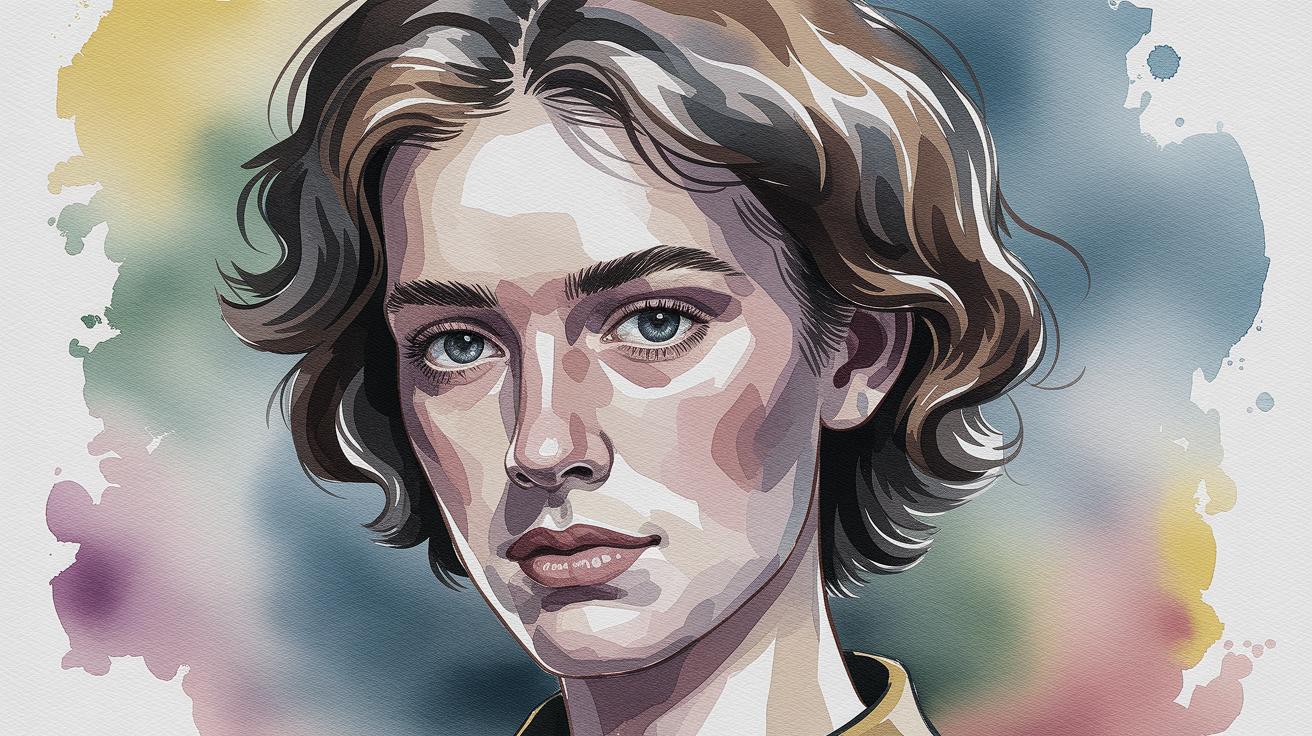
Realistic Watercolor Figure Drawing
Watercolor painting is a versatile and dynamic medium that artists have used for centuries to capture the beauty and complexity of the world around us. In this article, we explore the art of realistic watercolor figure drawing. We begin with quick sketching challenges to loosen up, proceed to detailed analysis of individual elements like irises, and articulate the importance of starting a painting with design and values. We’ll also discuss crucial techniques like indicating versus illustrating, and highlight a painting of the week to inspire your next artistic masterpiece. Through this journey, you’ll gain insights into both the technical and creative aspects of watercolor art, enhancing your ability to express your vision with brush and pigment.
10-Minute Thumbnail Sketch Challenge: Birds
Thumbnail sketches serve as a valuable exercise in quick observation and fast decision-making. When it comes to birds, these nimble creatures require an artist’s quick hand and sharp eye. The 10-minute sketch challenge pushes you to capture the essence of avian subjects without getting lost in the details. This method is beneficial for warming up and loosening the hand, making rapid strokes capture movement and character.
During this challenge, artists must focus on the birds’ energy and shape rather than adhere rigidly to realistic representation. This freeing method helps to prioritize the spontaneity of watercolor. It’s an ideal way to start a day of painting, as it encourages flow and intuition, vital components for more comprehensive portraiture and figure work.
A Floral Spotlight: Each Iris Has Its Own Personality
Florals, particularly irises, demand a unique approach that celebrates their varied personas. Each iris, with its distinctive petals and hues, can be likened to capturing the likeness within figure drawing. The swings in hue should be depicted with a fluid hand that respects the medium of watercolor — not every streak needs exact precision.
Concentrating on color and light, the petals’ translucence becomes a study in capturing not just shapes, but also a play on light — giving each flower its character. Ensuring the iris reflects the interplay of shadow and light enhances realism and breathes life into the painting. When exploring figure drawing, treating portraits like irises can benefit work, urging attention to individuality in every brushstroke.
Starting a Painting with Design and Values
A strong composition depends on effective design and a clear understanding of values. This foundational stage in watercolor figure drawing requires careful planning of where lights and darks will feature prominently. It involves a simplification of the subject into abstract patterns that define the composition’s major elements.
Working with thumbnails at this stage, artists can explore various design layouts to see what leads the eye effectively through the artwork. Values play a crucial role as they provide depth and volume to the figure, transforming flat shapes into dynamic, three-dimensional forms. When embraced, these practices set the stage for more detailed work, enriching the narrative held within each painting.
10-Minute Thumbnail Sketch Challenge: Birds
Revisiting the 10-minute sketch challenges but with complexity — consider the variances in birds’ anatomy. Quick marks may now include shadow work and moderated contour lines, gradually informing more about structure than before. This iterative process gradually imbues greater detail while sustaining looseness.
The artist’s ability to toggle between these sketching marathons and the slow, more intricate work creates a rhythm, allowing both parts of the brain to contribute to the creative process. It is through balancing the immediacy of expression and the depth of study that an artist hones their craft in watercolor figure drawing.
A Floral Spotlight: Each Iris Has Its Own Personality
Returning to the focus on florals, developing a closer examination of individual irises becomes an enlightening practice. Artists may realize parallels to figure anatomy through petal structure and veining. Here, patience forms a key virtue, as observation encourages the discovery of new textures and forms.
Exploring varying water gradients and pigment saturations offers distinct insights on how to build portraits with delicate shading and sophisticated color shifts. These nuances can then be applied to human faces as well, where skin tone and light interplay call for similar articulations of the paintbrush.
Starting a Painting with Design and Values
With a firm grasp on initial design steps, artists transition to detail with a structured approach. Knowing where the strongest patterns sit within the piece affords security in laying down subsequent layers of color confidently. This method often reveals parts of the artwork that may need rebalancing to achieve the sought harmony.
Understanding values also means adjusting them during painting to cater to light direction and perceived depth. Being able to reinterpret preliminary sketches into comprehensive pieces reflects an artist’s maturing observation skills. Such activities for functional composition echo the discipline required in figure study, where proportions and gestures dictate success.
Indicate, Don’t Illustrate
A significant aspect of realistic watercolor painting is knowing what to leave out. Indicating rather than illustrating hones the skill of suggestion — allowing viewers to fill in blanks with their imagination. Instead of drawing every muscle or petal, artists should suggest form with selective emphasis, guiding the observer’s eye.
This technique offers a degree of mystery and sophistication to figure drawings where the interest may lie beyond the pictured surface. Lines and washes should convey just enough to suggest realism without overwhelming the scene. Mastering this concept elevates works, allowing for complex storytelling through delicate expressions and restricted lines.
Painting of the Week: “Old Copper and Fruit”
Our highlighted painting of the week, “Old Copper and Fruit,” is a testament to the principles we’ve discussed. The artist deploys a rich composition grounded firmly in design and color values. The copper’s sheen is contrasted beautifully with the softer textures of the fruit, illustrating a masterful grasp of realistic depiction in watercolor.
What makes this painting stand out is the strategic use of values to create depth and the application of suggestive lines. It’s a vivid example of the art of indicating rather than illustrating every detail. The soul of the objects emerges prominently through their restrained representation, serving as an excellent model for artists seeking to refine their skills in watercolor figure drawing.
Future Prospects
| Section | Focus |
|---|---|
| 10-Minute Thumbnail Sketch Challenge: Birds | Quick sketching to enhance movement capture and gesture portrayal. |
| A Floral Spotlight: Each Iris Has Its Own Personality | Understanding individuality in forms and colors akin to portraiture. |
| Starting a Painting with Design and Values | Groundwork for composition with emphasis on light and shadows. |
| Indicate, Don’t Illustrate | The art of suggestion over explicit detailing for sophisticated realism. |
| Painting of the Week: “Old Copper and Fruit” | Showcasing completed work that embodies discussed principles. |

