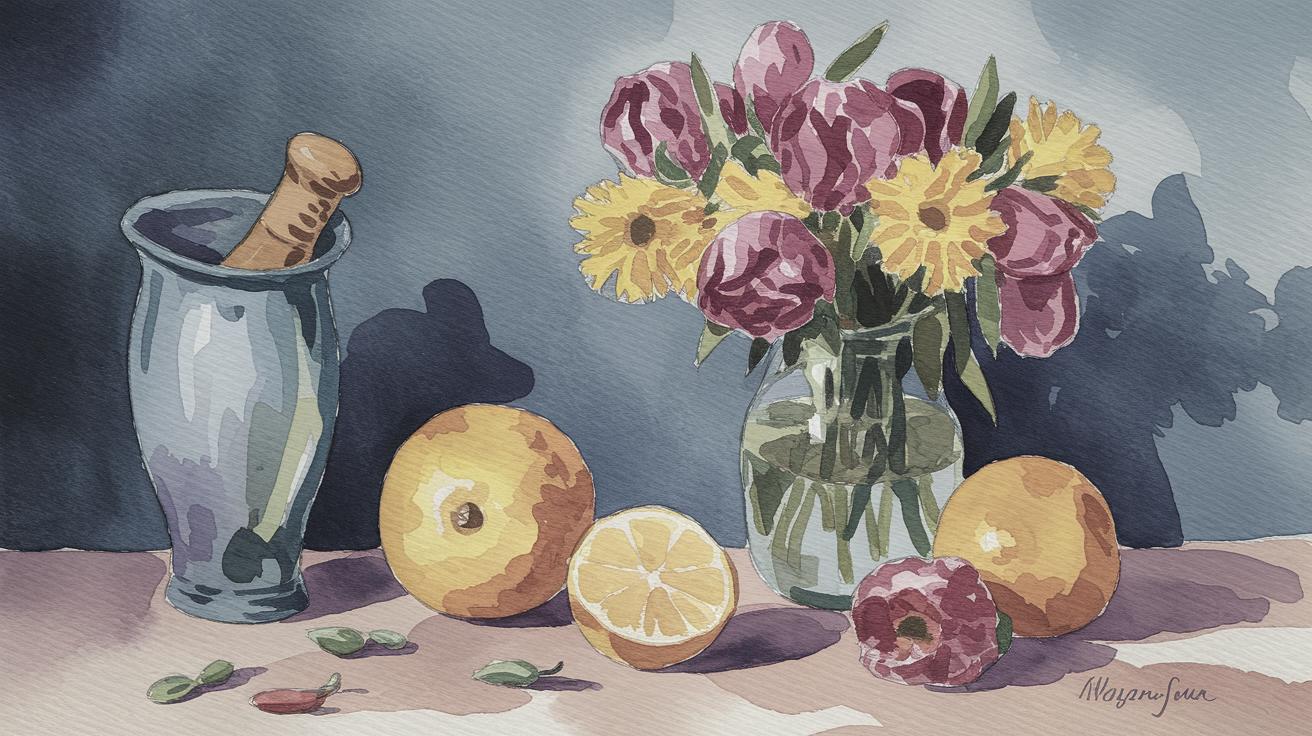
Easy Simple Composition Painting
Creating captivating paintings can often feel daunting, but mastering the art of composition makes it significantly more approachable. In this post, we explore key strategies and techniques that simplify the painting process, making it accessible even for beginners. We dive into four vital composition tips for artists, explore the benefits of quick thumbnail sketches, discuss the unique expression found in floral paintings, and highlight the importance of starting with strong designs and values. Additionally, we’ll explore the notion of suggesting rather than overtly illustrating details, culminating with an insightful analysis of a painting that illustrates these concepts. Each section offers valuable insights to empower both novice and seasoned artists on their creative journeys.
4 Painting Composition Tips for Artists
Composition in painting is akin to the backbone of a story in literature—it’s the element that binds all visual components into a cohesive, harmonious piece. One effective tip is to utilize the rule of thirds, a guiding principle where the canvas is divided into nine equally sized parts. Placing key elements along these lines ensures balance and guides the viewer’s eye naturally across the artwork. This technique not only fosters harmony but also emphasizes the focal point.
Another powerful compositional technique is the use of dynamic symmetry. Unlike rigid geometrical shapes, dynamic symmetry introduces a sense of movement and flow, engaging viewers with its unpredictable yet attractive layout. This method encourages artists to embrace asymmetry, creating more vivid and interesting compositions.
Incorporating leading lines is another essential tip that helps direct the viewer’s gaze towards the central focus of the painting. These lines can be real or implied—is like pathways, rivers, or pathways that guide the observer’s eye naturally through the artwork, ensuring that attention is maintained.
10-Minute Thumbnail Sketch Challenge: Birds
The 10-Minute Thumbnail Sketch Challenge is a practice that encourages artists to quickly capture the essence of a subject, such as birds, in a limited timeframe. This method hones one’s ability to distill the core elements of a scene. Working within a 10-minute window prompts artists to make rapid decisions about composition, form, and detail, fostering skills that lead to stronger, more impactful artworks.
Birds, with their dynamic postures and diverse forms, serve as ideal subjects for this challenge. They require artists to perceive and portray movement and grace in a minimal time frame. The limitation fosters a focus on essential lines and shapes, encouraging impression over precision.
This exercise not only sharpens artistic skills but also enhances observational abilities. Artists learn to rapidly assess what elements are critical in depicting their avian subjects, improving their instinctive ability to craft visually compelling pieces.
A Floral Spotlight: Each Iris Has Its Own Personality
Floral compositions, particularly those involving irises, provide a rich tapestry of colors and forms for artists to explore. Each iris possesses unique curves and hues, making them a fascinating subject. Painting these flowers is not merely about replicating their appearance but capturing the distinct personality each iris embodies.
Successful floral artists take time to study their botanical subjects. They look beyond surface traits, delving into the subtleties of light, shadow, and texture. These elements combined with a thoughtful composition transform the canvas into a miniature celebration of nature’s elegance and diversity.
Working with floral subjects demands creativity and observational precision, challenging artists to balance realism with artistic interpretation. The result is a painting that conveys the vitality and spirit inherent in each bloom, adding layers of depth and story.
Starting a Painting with Design and Values
Planning the design and establishing values at the initial stage of painting are crucial steps that set the foundation for successful artworks. A well-thought-out design acts as a blueprint, guiding the composition and ensuring the thoughtful placement of elements within the space.
Values, which refer to the lightness or darkness of colors, are instrumental in defining form and conveying mood. Understanding the contrast between light and dark helps articulate depth and dimension, crafting a more believable scene that resonates with viewers.
This foundational work isn’t about rigidly adhering to a prescribed plan but rather about creating a structured environment that allows creativity to flourish. When artists start with a clear design and solid values, they pave the way for expressive, dynamic compositions that capture attention and imagination.
Indicate, Don’t Illustrate
The mantra “Indicate, don’t illustrate” encourages artists to suggest rather than show every detail explicitly. This approach challenges viewers to engage actively with the piece, filling in the gaps with their own perceptions and experiences.
Simplifying details and emphasizing key elements can often be more impactful than meticulously rendering every aspect of the scene. This method not only saves time but also creates space for viewers to connect emotionally with the artwork.
This technique is effective because it respects the viewer’s intelligence and creativity, trusting them to understand and complete the narrative initiated by the artist. As such, the artwork becomes a collaborative experience, enhancing its reach and influence.
Painting of the Week: “Old Copper and Fruit”
“Old Copper and Fruit” stands as a stellar example of effective composition and the principles discussed. The painting’s striking use of light and shadow immediately draws attention, while the strategic placement of elements creates a dynamic balance that engages viewers thoughtfully.
The artist embraces the concepts of indicating over illustrating by leaving certain areas strategically undefined, allowing room for imagination to flow. The texture of the copper is suggested with broad strokes, inviting viewers to engage with the imagery.
This piece not only captivates with its aesthetic appeal but exemplifies how simplicity in composition can result in deep, meaningful artistry. By integrating core compositional methods, the painting communicates a timeless story, echoing through subtle gestures and deliberate design.
Summary of Main Points
| Section | Key Points |
|---|---|
| 4 Painting Composition Tips for Artists | Rule of thirds, dynamic symmetry, leading lines for focus and movement. |
| 10-Minute Thumbnail Sketch Challenge: Birds | Encourages rapid decision-making, improves composition and observation skills. |
| A Floral Spotlight: Each Iris Has Its Own Personality | Explores unique expressions in flowers, focusing on light, shadow, and texture. |
| Starting a Painting with Design and Values | Importance of planning with solid design and understanding values for depth. |
| Indicate, Don’t Illustrate | Suggesting rather than illustrating promotes viewer engagement. |
| Painting of the Week: “Old Copper and Fruit” | Highlights effective use of composition, light, and viewer interaction. |