
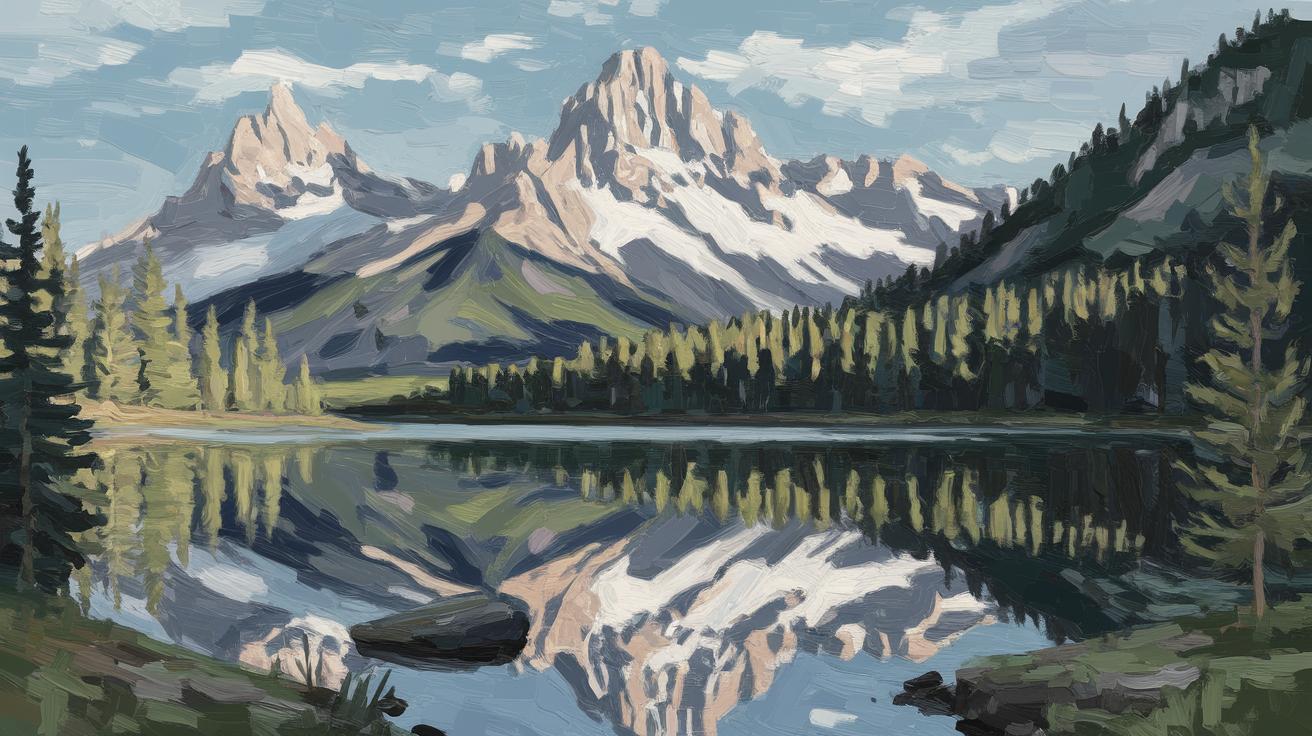
Exploring the Art of Painting from Photographs
Painting from photographs offers artists a unique opportunity to capture the beauty and details of subjects at their own pace. In this article, we delve into different techniques and exercises for artists looking to refine their painting skills through photographic references. From quick sketches to detailed still life compositions, we cover methods that encourage creativity while maintaining the essence of the source material. Through various approaches, including a 10-minute thumbnail sketch challenge and tips on beginning a painting with effective design, this post offers insights into how artists can create dynamic and personal works of art from images. We also spotlight a specific floral subject, demonstrate the importance of suggesting rather than strictly illustrating features, and showcase a featured painting that blends traditional elements with a contemporary touch.
Painting from Photographs
Painting from photographs provides a flexible platform for artists to explore different styles and techniques without the constraints of changing light or movement that occur in live settings. This method allows artists to capture exact moments and intricate details, from delicate lighting to fleeting expressions, providing an opportunity to work at a customized pace.
However, it is essential for artists to move beyond merely copying the photograph. Instead, they should use it as a reference to inspire creativity and add personal touches that reflect their artistic vision. A successful painting from a photograph involves transforming a flat image into a dynamic piece that captures the essence and emotion of the subject.
10-Minute Thumbnail Sketch Challenge: Birds
One effective exercise for artists working from photographs is the 10-minute thumbnail sketch challenge. This involves selecting a subject such as birds and creating quick sketches that capture their form, movement, and personality. The goal is not to produce a finished work of art, but to develop an instinctual feel for the composition and the energy of the subject.
This rapid sketching encourages artists to be bold and decisive, making quick choices about what to include and what to leave out. By setting a time limit, artists learn to focus on the most important aspects of the subject, which can then be elaborated upon in more detailed paintings. Each quick sketch enhances one’s ability to observe and interpret essential elements of the scene, allowing for a more expressive final piece.
A Floral Spotlight: Each Iris Has Its Own Personality
Floral subjects provide a rich tapestry of color, texture, and form for artists to explore. When painting from a photograph of a flower like an iris, it’s important for artists to capture the unique personality of each blossom. Despite flowers often being seen as static subjects, subtle differences in petals, light effects, and surrounding environments can make them come alive on canvas.
Artists should focus on how different irises express their individual characteristics. The way an iris opens to the sun, the unique folds of its petals, and its vibrant color gradients can serve as a focal point. By paying close attention to these nuances, artists can create still life paintings that resonate with life and originality, transcending the bounds of their photographic beginnings.
Starting a Painting with Design and Values
Before diving into colors and details, setting a strong foundation through design and values is critical when painting from photographs. This involves planning the composition and identifying the value range of light and shadow, which helps in creating a balanced and cohesive painting.
Artists should begin by sketching out the basic shapes and outlines, paying attention to the arrangement and relationships within the image. This initial stage is about simplifying the complexities of the photograph into manageable elements. Furthermore, establishing a clear hierarchy of values enables artists to emphasize certain features and create a sense of depth and realism in their work.
Indicate, Don’t Illustrate
A key principle to consider when painting from photographs is to indicate rather than illustrate. This means suggesting the form and texture of the subject using loose and expressive brushwork rather than capturing every detail with rigid precision. It requires a balance between abstraction and representation.
This approach allows an artist’s unique style to shine through and opens the door to interpretation, both for the artist and the viewer. By focusing on indicating key elements that convey the subject’s essence, artists can create paintings that are inviting, dynamic, and emotionally engaging, moving beyond the literal constraints of the reference photograph.
Painting of the Week: “Old Copper and Fruit”
This week’s featured painting, “Old Copper and Fruit,” demonstrates an exquisite blend of traditional still life composition with a modern twist. The painting highlights the textures of aged copper against the freshness of vibrant fruit, capturing a moment that is both timeless and contemporary.
The artist skillfully manipulates colors, light, and composition to evoke a sense of nostalgia while infusing the piece with fresh energy. This painting serves as a masterclass in using photographic references to inspire yet transform reality, showcasing the artist’s ability to capture the interplay of object and atmosphere in a way that speaks both to the past and present.
Final Thoughts
| Section | Summary |
|---|---|
| Painting from Photographs | Explores benefits and approaches to using photos as references, emphasizing creative transformation over replication. |
| 10-Minute Thumbnail Sketch Challenge: Birds | Encourages quick sketches to capture energy and form, fostering boldness and focus in larger works. |
| A Floral Spotlight: Each Iris Has Its Own Personality | Details the importance of observing and portraying the unique characteristics of floral subjects to bring them to life. |
| Starting a Painting with Design and Values | Stresses the importance of planning composition and establishing a value hierarchy before delving into color. |
| Indicate, Don’t Illustrate | Highlights the value of suggesting rather than explicitly detailing to leave room for interpretation and expression. |
| Painting of the Week: “Old Copper and Fruit” | Features a painting that captures the essence of traditional still life with contemporary vibrancy, drawing from photographic inspiration. |

