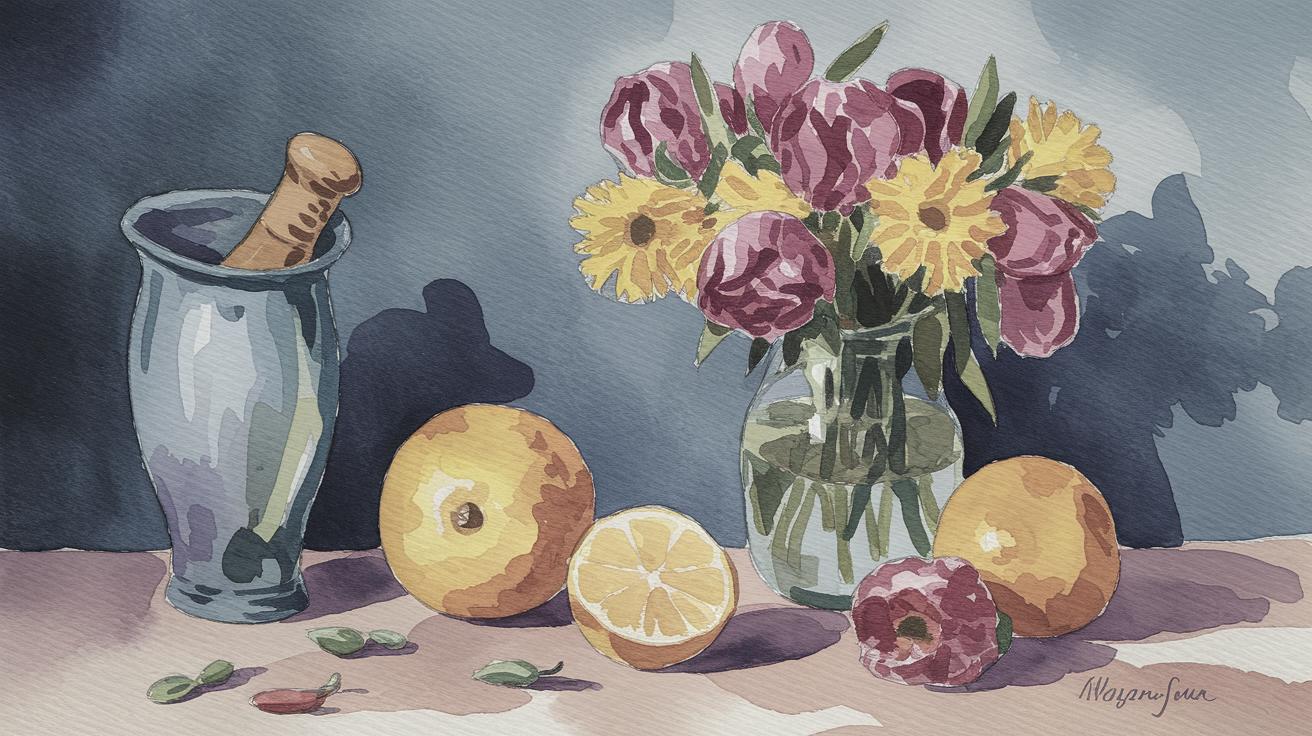
The Emotion of the Subject: A Journey Through Impressionism
Impressionism, a revolutionary art movement that emerged in the late 19th century, aimed to capture the fleeting moments of everyday life with an emphasis on light, color, and emotion. This blog post delves into the fundamental elements that shaped Impressionism, starting with its beginnings, exploring the pioneering artists who defined the movement, and examining the myriad of influences that spurred its growth. We will also look into the impact of Impressionist exhibitions and how this groundbreaking movement continues to inspire and influence artists to this day. Join us on this exploration of how Impressionism captured the true emotion of the subject and transformed the course of art history.
Beginnings of Impressionism
Impressionism emerged as a radical departure from the conventions of academic painting, which dominated the art world in the 19th century. This movement was born in France during the 1860s and 1870s, characterized by a focus on capturing the effects of light and atmosphere. Artists sought to portray scenes of contemporary life, often painting en plein air—outdoors—to better seize the temporal qualities of their subjects. The emphasis on spontaneity and the use of vivid, unmixed colors marked a distinct shift from the meticulously detailed works of the time.
The origins of Impressionism can be traced back to a group of young, rebellious artists who challenged the rigid structures of the art institutions of Paris. They were dissatisfied with the prevailing norms that prioritized historical and mythological subjects. Instead, they turned to the everyday world around them, finding inspiration in bustling urban scenes, serene landscapes, and intimate domestic settings. This shift towards a more personal and subjective perspective was a crucial element in capturing the emotion and immediacy that defined the movement.
The Artists Who Became the Impressionists
Among the pioneering artists who became the Impressionists were Claude Monet, Edgar Degas, Camille Pissarro, and Pierre-Auguste Renoir. Each artist brought a unique style and vision to the movement, yet collectively they shared a commitment to exploring new techniques that focused on light and perception. Monet, often considered the quintessential Impressionist, was famed for his series paintings that captured the same scene under different lighting conditions, revealing his fascination with how light could transform a subject.
Degas, on the other hand, excelled in capturing the human form, particularly in his depictions of ballet dancers and women in intimate, everyday activities. Renoir embraced a more vibrant palette to depict the joys of leisure and social gatherings, often illuminating the interaction of figures with their environment. Despite their varied approaches, these artists were united by their desire to depict the world as they saw and felt it, capturing the ephemeral moments of beauty and emotion in their work.
Influences
Impressionism was not conceived in isolation; it was influenced by various cultural and technological developments of the time. The advent of photography encouraged artists to reconsider perspective and composition, allowing for more candid and innovative approaches to visual storytelling. Japanese woodblock prints, with their bold compositions and flat areas of color, also inspired Impressionists in their exploration of unconventional perspectives and cropping techniques.
Additionally, scientific advancements in color theory provided Impressionists with new insights into the relationship between colors and the effects of natural light. This led to experiments with complementary colors and varied brushstrokes to depict the vibrancy and movement of light in their paintings. These influences melded with the artists’ own vision, helping them refine a distinct style that communicated the emotional and sensory experiences of their subjects.
Impressionist Exhibitions and Influence
The Impressionists initially faced significant criticism from traditional art establishments, but they persevered by organizing independent exhibitions starting in 1874. These exhibitions allowed them to showcase their work to a broader audience, gradually gaining appreciation for their innovative approaches. Over time, public perception shifted, with Impressionist exhibitions receiving critical acclaim and drawing significant audiences.
The impact of Impressionism extended far beyond France, influencing subsequent generations of artists worldwide. Post-Impressionists like Vincent van Gogh and Paul Gauguin built upon the foundational principles of Impressionism, pushing boundaries in color and form even further. Today, the legacy of Impressionism endures as artists continue to draw inspiration from its emphasis on capturing emotion and the transient beauty of the world.
Next Steps
| Category | Summary |
|---|---|
| Beginnings of Impressionism | Impressionism arose as a reaction against the rigid norms of academic painting, emphasizing light, color, and emotion. |
| The Artists Who Became the Impressionists | Prominent artists like Monet, Degas, and Renoir brought diverse styles to the movement, focusing on capturing fleeting moments and emotions. |
| Influences | Photography, Japanese prints, and advancements in color theory influenced Impressionists’ techniques and perspectives. |
| Impressionist Exhibitions and Influence | Despite initial skepticism, Impressionist exhibitions gained acclaim, and their legacy continues to inspire artists globally. |